Laser Cutting
Laser Cutting Parameters: 24 Fiber Laser Cutting Parameters and How to Adjust Them

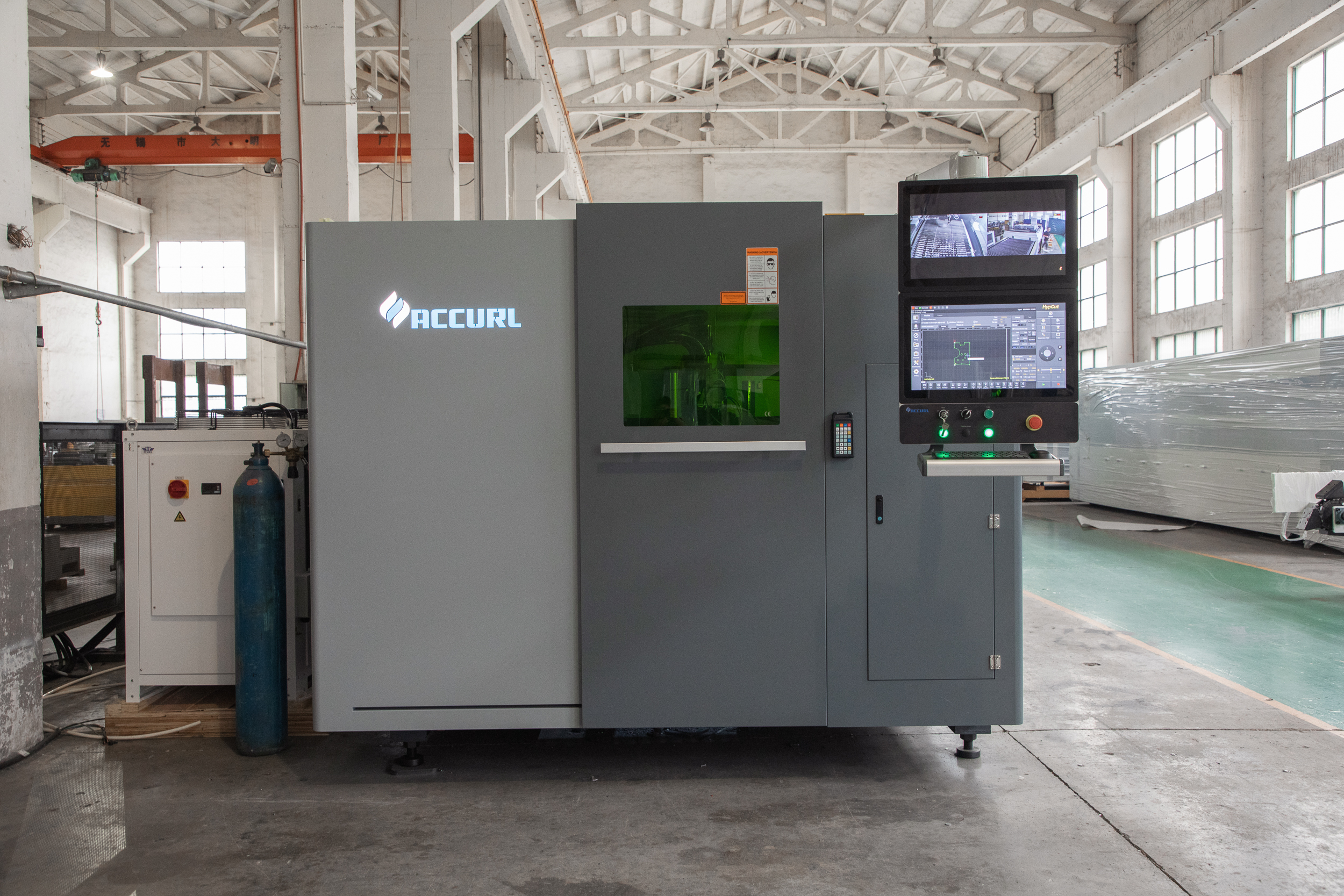
When you venture into industrial cutting, understanding laser cutting parameters is crucial for your success. From laser power and cutting speed to wavelength, the purpose of this article is to teach you all about laser cutting parameters, how they are measured, calculated and optimized.
What is Laser Cutting?
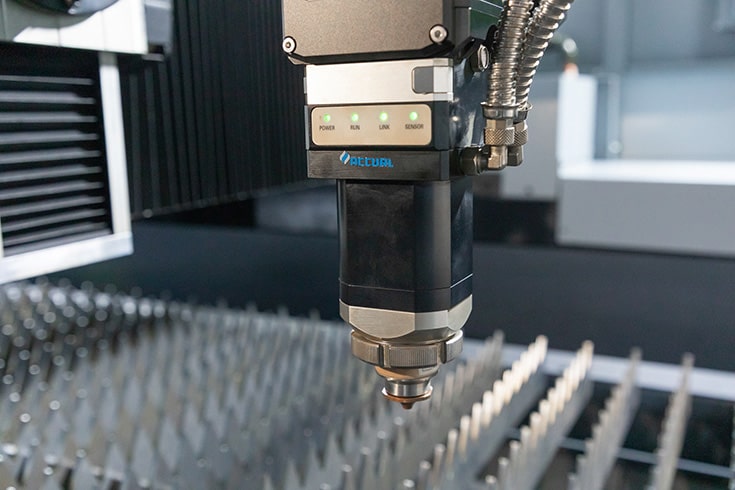
Laser cutting technology is a machining process that involves directing laser light through optics to precisely cut metals, plastics, and other materials. Notably, fiber laser cutting, a subtype of laser technology, utilizes fiber optics to amplify the laser, allowing for faster cutting speeds and cleaner cuts due to its intense, focused beam.
What Are Different Laser Cutting Parameters?
Understanding the intricacies of fiber laser cutting parameters is essential to mastering the technology’s potential in industrial applications. These settings dictate the efficiency and quality of the cutting process, impacting everything from operational speed to material compatibility.
Laser Power
Laser power, measured in kilowatts (kW), directly influences the thickness and type of materials that can be effectively cut.
For example, a 1 kW fiber laser might efficiently slice through up to 5mm of stainless steel, whereas a more robust 3 kW laser could handle up to 12mm of the same material, providing broader material versatility.
The choice of laser power is fundamental in determining the machine’s ability to cut through varying thicknesses and types of materials.
Adequate power settings are essential for making precise cuts. Insufficient power may not fully penetrate the material, while excessive power could damage the material or decrease the quality of the cut.
Cutting Speed
The cutting speed, typically measured in meters per minute (m/min), should be adjusted according to the material’s thickness and the desired quality of the cut. Balancing speed with power and other parameters is key to achieving efficient and precise cuts.
Speed is a critical parameter as it affects both the efficiency of the cutting process and the quality of the finished edges.
Optimal cutting speed ensures that the laser cuts through the material smoothly, minimizing the risk of burning or melting the edges. Too fast may lead to incomplete cuts, while too slow can cause excessive burn marks on the material.
Pulse Frequency
Pulse frequency is measured in hertz (Hz), and adjusting this parameter helps in optimizing the laser’s interaction with different materials.
For instance, cutting a thin sheet of stainless steel may require a higher pulse frequency to prevent material burn, while a lower frequency might be selected for thicker steel to minimize the heat-affected zone.
Pulse frequency in laser cutting refers to the number of laser pulses emitted per second. It plays a crucial role in controlling the amount of energy delivered to the material, significantly affecting the efficiency and quality of the cut.
Higher pulse frequencies can improve the smoothness of cuts in thinner materials by distributing the energy more evenly, whereas lower frequencies may be more effective for thicker materials to allow sufficient cooling time between pulses.
Pulse Duration/Width
Measured in microseconds or nanoseconds, pulse duration must be precisely calibrated to match the material’s properties and the desired outcome.
For example, a pulse duration in the range of nanoseconds might be ideal for engraving intricate patterns on metal or glass, requiring precise control over the energy input to avoid cracking or excessive melting.
Pulse duration, or width, dictates the length of time each laser pulse lasts, impacting how much energy is imparted to a spot on the material’s surface.
Short pulse durations are typically used for fine, detailed work on delicate materials to minimize heat damage, while longer pulses might be necessary for deeper cuts or when working with thicker, tougher materials.
Wavelength
Wavelength is fundamental to laser cutting, as it determines the laser light’s ability to interact with different materials. It influences how the energy is absorbed by the material, thereby affecting the cutting process’s efficiency and outcome.
The choice of wavelength can optimize the cutting process for specific materials. Shorter wavelengths are generally better for metals, while longer wavelengths might be chosen for non-metals or composite materials.
Fiber lasers typically operate within a range of 800 nm to 2200 nm. These wavelengths are particularly effective for cutting through industrial metals due to their ability to be finely focused and to penetrate deeply into the material.
What is Fiber Laser Wavelength?
Fiber lasers generate light from a core of silica glass doped with rare earth elements such as erbium or ytterbium, which amplifies the light.
Fiber laser cutting produces a laser beam with a wavelength that typically ranges from 800 nm to 2200 nm. The high beam power and narrow focal diameter of fiber lasers allow them to cut through thicker materials more efficiently than CO2 or crystal lasers, providing superior performance in industrial applications.
The precise wavelength range enhances the laser’s ability to interact effectively with various materials, from metals to polymers, ensuring high-quality cuts with fewer passes and reduced energy consumption.
What is CO2 Wavelength?
CO2 lasers, commonly used in laser cutting machines, operate at a wavelength of approximately 10.6 micrometers, in the far-infrared part of the spectrum. This wavelength is ideal for cutting non-metal materials such as wood, acrylic, glass, and leather, which absorb infrared light efficiently. This absorption enhances the laser’s ability to cut smoothly, reducing the potential for burning or melting the material.
The CO2 laser generates its beam through the excitation of CO2 gas in a sealed tube, which is reflected and focused by mirrors to the cutting head. The long wavelength of CO2 lasers allows for a high-quality beam to be maintained over greater distances, making them suitable for industrial applications where precision and cut quality are critical.
What is Nd: YAG Laser Wavelength?
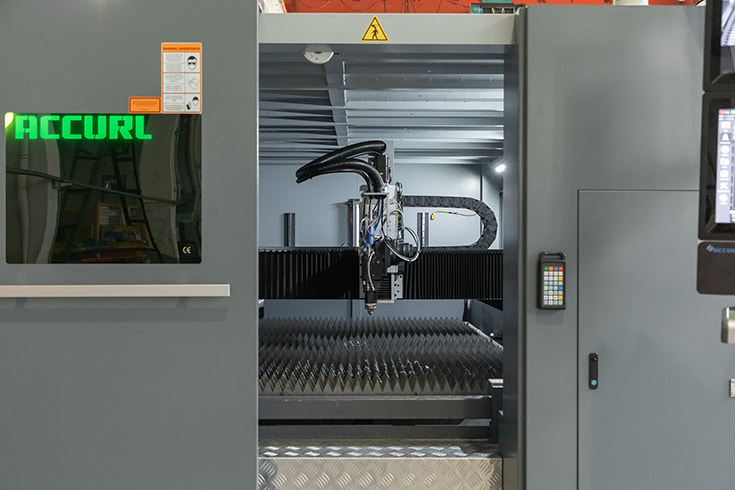
Neodymium-doped Yttrium Aluminum Garnet (Nd: YAG) lasers emit light at a wavelength of 1.064 micrometers, which falls into the near-infrared part of the spectrum. This shorter wavelength is more effectively absorbed by metals and is therefore predominantly used for metal cutting and engraving.
Nd: YAG lasers operate by using a crystal as the medium to amplify the laser light. The energy delivered in this wavelength can be focused to a very fine point, allowing for precise cutting of intricate designs in metals and other reflective materials. High-power Nd: YAG lasers are capable of cutting through significant thicknesses of metal with minimal distortion, making them invaluable for high-stress applications like aerospace component fabrication.
What is Direct Diode Laser Wavelength?
Direct diode lasers, utilizing advanced gallium arsenide technology, operate primarily within the 800 nm to 1000 nm range. This wavelength range is optimal for cutting thin metal sheets and provides enhanced absorption compared to longer wavelengths, which translates into more efficient cutting processes.
The direct diode laser stands out for its direct application of the diode’s light to the cutting material without the need for amplification or modification through a secondary medium. This not only enhances the efficiency but also significantly improves the beam quality. The smaller focal diameter achieved at these wavelengths allows for extremely precise cuts, making direct diode lasers particularly suitable for intricate designs on metals and delicate materials.
Focal Setting (Z-Offset)
The focal setting helps determines the exact point where the laser beam focuses on the material. An improper focal setting can significantly diminish the cutting quality due to inadequate energy density, resulting in an ineffective cut.
For optimal cutting, the focal point should align with the center of the material’s thickness. This precision prevents the formation of a tapered cut edge, ensuring that the workpiece is cut evenly from top to bottom. In scenarios such as laser engraving, adjustments might be necessary either upwards or downwards to accommodate specific design details and material properties.
The choice of focal length is closely tied to the thickness of the material being cut. For thinner materials (less than 4mm), a shorter focal length is ideal as it ensures a uniform cut across the material. Conversely, thicker materials require a longer focal length to achieve a clean and even edge through greater focal depth.
Adjusting the focal length impacts the spot size and depth of focus. A shorter focal length yields a smaller spot size and shallower focus, suitable for fine details. On the other hand, longer focal lengths, while increasing the spot size, provide a deeper focus that is beneficial for cutting thicker materials. Modern laser systems have adapted to maintain a minimal spot size even with longer focal lengths, enhancing both precision and efficiency.
Mode
The operational mode of a laser cutter defines how the laser is emitted and interacts with the material. There are primarily two modes: continuous wave and pulse wave.
- Continuous Wave Mode: In this mode, the laser emits a constant, uninterrupted beam, much like a continuous stream of water. This is effective for straightforward, consistent cutting tasks where uniformity is key.
- Pulse Wave Mode: Contrasting with continuous operation, pulse wave mode emits the laser in bursts or pulses. This method is akin to firing a shotgun, where multiple projectiles are released in quick succession. This mode is particularly useful for tasks requiring high energy in short bursts, allowing for precise control over the cutting process, minimizing heat spread, and reducing potential material warping or damage.
Focus Position
The focus position, or the exact point where the laser beam is most concentrated, must be precisely calibrated relative to the surface of the material being cut. This position influences the efficiency and quality of the cut by affecting how the laser energy is distributed across the material.
The ideal focus position varies depending on the thickness and type of material. For materials like stainless steel, a precise focus is critical to avoid the beam dispersing too much energy, which can lead to subpar cutting results and material wastage. Accurately adjusted focus ensures a sharper cut, minimizing heat affected zones and improving the edge quality.
In laser cutting systems, the focus position is adjusted through the z-axis control, which moves the cutting head up or down to the correct focus point. The laser should be focused slightly below the surface of the material for thicker materials to enhance the beam’s penetration and ensure a clean cut through the entire thickness.
Beam Diameter
A smaller beam diameter allows for more precise cuts, which is especially beneficial for intricate designs and fine details.
The beam diameter is influenced by the focusing optics within the laser cutter. Lenses with shorter focal lengths produce smaller beam diameters, leading to increased precision but reduced cutting speed and energy penetration. Conversely, lenses with longer focal lengths offer better energy focus over a larger area, suitable for cutting thicker materials.
Beam Divergence
Beam divergence refers to the spread of the laser beam as it travels from the emitting source, affecting the cut’s consistency and quality over longer distances. Minimizing beam divergence is crucial for maintaining cutting accuracy in large-scale or thick material applications.
Advanced laser systems incorporate adaptive optics to compensate for beam divergence, ensuring that the laser maintains its intensity and focus across all cutting operations. This is particularly important in high-precision industries where even slight deviations can lead to significant discrepancies in the final product.
Assist Gas Type and Pressure
In the realm of fiber laser cutting, the choice of assist gas and its pressure play pivotal roles in determining the quality and efficiency of the cutting process. Common gases used include oxygen, nitrogen, and compressed air—each serving distinct purposes based on their properties.
Types of Assist Gases
- Oxygen: Primarily used for cutting mild and carbon steel, oxygen reacts with the metal to increase the cutting speed and throughput. It is particularly effective for thicker materials where the exothermic reaction helps to burn through the metal.
- Nitrogen: Preferred for its inert properties, nitrogen is used to cut stainless steel and aluminum to prevent oxidation, promoting a clean, burr-free edge.
- Compressed Air: A cost-effective alternative that combines the properties of oxygen and nitrogen, suitable for cutting thinner materials and non-metals.
The purity of the assist gas significantly affects the laser cutting quality. Impurities such as moisture or dust can deflect the laser beam or contaminate the material surface, leading to inconsistent cuts. Typically, a gas purity of 99.5% is recommended, although certain applications may require even higher purity levels.
Nozzle Diameter
The diameter of the nozzle in a laser cutting machine directly influences the precision and characteristics of the laser beam as it exits the cutter. Selecting the appropriate nozzle diameter is crucial for optimizing cutting quality and efficiency.
- Smaller Diameter: Provides a more concentrated and focused beam, ideal for detailed work and fine cuts.
- Larger Diameter: Offers a wider beam spread, suitable for thicker materials or when faster cutting speeds are required.
Stand-off Distance
Stand-off distance, the gap between the nozzle and the material surface, is another critical parameter in laser cutting. Proper adjustment of this distance ensures optimal gas flow and affects the beam’s focus on the material.
Typically, the stand-off distance should not exceed 1mm. Maintaining this minimal distance ensures that the assist gas exerts adequate pressure to clear the cut path of molten material, which enhances the cut quality.
The stand-off distance should ideally be less than the nozzle diameter to maintain a stable and effective gas flow.
Lens Type

In the complex configuration of fiber laser cutting machines, the lens type plays a crucial role in focusing the laser beam accurately onto the material. The choice of lens affects the quality and precision of the cut, influencing factors such as focal length and resistance to laser-induced damage.
Key Variants
- Fused Silica Lenses: Known for their high thermal stability and low absorption rates, making them ideal for high-power applications.
- Zinc Selenide Lenses: These are predominantly used in CO2 laser systems due to their ability to handle diverse wavelengths efficiently.
Repetition Rate
The repetition rate, or pulse frequency, of a laser defines how often the laser pulses per second. This parameter is vital in determining the interaction between the laser and the material, affecting the efficiency and quality of the cutting process.
- Higher Repetition Rates: Lead to faster cutting speeds, suitable for thinner or softer materials.
- Lower Repetition Rates: Provide more energy per pulse, ideal for cutting thicker or harder materials without excessive heat buildup.
Polarization
Polarization refers to the orientation of the laser beam’s electric field. It plays a pivotal role in how effectively the laser energy is absorbed by the material. Proper management of polarization can enhance cutting performance, particularly on reflective materials.
Polarization Types
- Linear Polarization: The electric field is oriented in a single direction, which can be optimal for cutting through metals where the orientation aligns with the cutting direction.
- Circular or Random Polarization: These types are used to achieve consistent cutting quality across different cutting directions and complex shapes.
Mode Structure
In the realm of fiber laser cutting, the mode structure significantly influences the laser’s interaction with the material being cut. This structure determines the distribution of the laser beam’s energy, impacting both the efficiency and quality of the cut.
Types of Laser Modes
- TEM00 Mode: Produces a single, high-intensity spot of light, ideal for applications requiring high precision and minimal kerf width.
- Multimode: Offers a larger beam diameter, which is beneficial for faster cutting speeds and processing thicker materials.
Gas Flow Rate
The gas flow rate in laser cutting is crucial for evacuating molten material from the cut path, shielding the cut, and cooling the processed edges. Adjusting the flow rate is vital to achieve optimal cutting results and prevent material overheating.
Considerations
- Higher Flow Rates: Necessary for thicker materials to effectively remove excess molten metal.
- Lower Flow Rates: Suitable for thinner materials to prevent the dispersion of the molten pool.
Gas Pressure
Gas pressure plays a pivotal role in laser cutting, directly affecting the efficiency of the cutting process and the quality of the final product. It assists in clearing the cut channels of debris, which can affect the cut quality and increase wear on the laser system.
Key Guidelines
- Higher Pressure: Used with thicker materials to forcefully eject the molten material from the kerf.
- Lower Pressure: Recommended for delicate or thin materials to avoid distorting the material or displacing the molten metal excessively.
Pulse Overlap
Pulse overlap is a critical setting in the precision laser cutting process, especially when aiming to enhance the cut quality on intricate designs and delicate materials. It refers to the degree to which consecutive laser pulses overlap each other during the cutting process. Higher pulse overlap can lead to smoother cut edges but may also increase the heat input and potentially cause thermal damage to the material.
Optimization Tips
- Increased Pulse Overlap: Recommended for materials sensitive to thermal stress, as it ensures finer control over the laser’s heat output.
- Reduced Pulse Overlap: Suitable for faster cutting speeds and materials that are less prone to thermal effects.
Duty Cycle
The duty cycle in fiber laser cutting defines the ratio of the laser’s “on” time to the total cycle time. It is a crucial parameter that affects both the efficiency of the cutting process and the longevity of the laser system.
Higher duty cycle enables more continuous laser emission, ideal for deep cuts and thicker materials.
Lower duty cycle helps in reducing the heat affected zone (HAZ) on thinner or heat-sensitive materials.
Scanning Speed
Scanning speed plays a pivotal role in determining the interaction time between the laser beam and the material, which in turn affects the quality of the cut, the productivity of the cutting process, and the overall energy consumption.
Faster scanning speeds reduce the interaction time, minimizing thermal distortion but might decrease the cut quality in thicker materials.
Slower scanning speeds increase the interaction time, enhancing the energy absorption by the material, which can be beneficial for thick or highly reflective materials.
Coherence Length
Coherence length in fiber laser cutting machines is a measure that reflects the laser beam’s phase uniformity over a particular distance. This parameter is crucial because it impacts the laser’s ability to produce consistent and precise cuts, especially in highly detailed or fine work. The coherence length directly influences the smoothness of the cut surfaces and the level of detail that can be achieved in intricate patterns.
Understanding Coherence Length
- Longer Coherence Length: This usually indicates a more uniform laser beam, which is capable of precise and smooth cuts, ideal for applications requiring fine detailing.
- Shorter Coherence Length: May result in less precise cuts but can be suitable for quicker, less detailed work.
Cutting Tolerances
Cutting tolerances are critical for maintaining dimensional accuracy in laser cutting processes. With the advanced capabilities of modern fiber laser cutting machines, operators can achieve impressively tight tolerances, typically up to 0.25mm, allowing for high-precision cutting of complex shapes and designs.
Precision Factors
- Machine Quality: High-performance machines provide greater accuracy.
- Operator Expertise: Skilled operators can maximize the machine’s capabilities to enhance cutting precision.
Laser Cutting Kerf
The laser cutting kerf refers to the width of the material removed during the cutting process. This parameter is essential because it determines the cut’s precision and the amount of material wasted. Understanding and controlling the kerf is vital for optimizing material usage and achieving precise cuts.
Kerf Characteristics
- Narrow Kerf: Leads to minimal material loss and highly detailed cuts, essential for intricate designs and efficient material utilization.
- Wider Kerf: May be used for thicker materials but increases material waste and can affect the sharpness of the design edges.
What are Common Misconceptions About Laser Cutting Parameters?
Understanding fiber laser cutting involves clearing up several misconceptions that can affect the quality and efficiency of cutting operations. Here are some typical misunderstandings clarified:
- Higher Power Always Results in Better Cutting: While higher laser power can increase cutting speed, it does not always equate to better quality. Excessive power can lead to excessive burning and poor edge quality in thinner materials.
- Any Gas Can Be Used for Cutting: While various gases can be used, the choice of gas significantly affects the cut quality, speed, and cost. Oxygen, nitrogen, and compressed air serve different purposes, and selecting the wrong gas can compromise the cutting process.
- Laser Cutting Is Always Faster than Traditional Methods: Laser cutting is precise and can be faster for complex contours, but for straight cuts, traditional methods like shearing might be faster.
How to Set Laser Cutting Parameters?
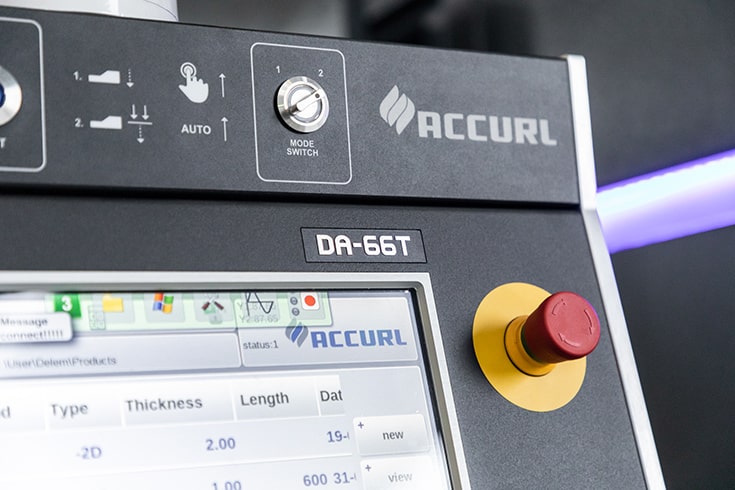
Setting up laser cutting parameters properly is crucial for optimizing both the quality and efficiency of the cutting process. Here’s a step-by-step guide to setting these parameters from scratch:
- Identify Material Specifications: Determine the material type and thickness as these factors influence the required laser power and cutting speed.
- Select Laser Power: Start with a power setting that matches the material’s thickness and cutting requirement.
- Adjust Cutting Speed: Begin with high speed for thin materials and decrease proportionally for thicker or harder materials to ensure clean cuts.
- Set Pulse Frequency: Adjust the pulse frequency to match the type of cut desired; higher frequencies can be better for detailed work.
- Choose Wavelength and Beam Diameter: These should align with the material’s absorption characteristics to maximize efficiency.
- Configure Focus Position: The focus should be set precisely at the material’s surface or slightly below for the best cut quality.
- Set Assist Gas Type and Pressure: Select the appropriate gas and pressure to support the cutting process and desired quality.
- Adjust Nozzle Diameter and Stand-off Distance: Match these settings to ensure optimal gas flow and cooling during the cut.
- Calibrate Lens Type: Choose the lens based on the thickness and type of material to focus the beam accurately.
- Test Cut: Always perform a test cut to check the settings and adjust if necessary.
- Continuous Monitoring and Adjustment: Monitor the process and adjust parameters as needed to adapt to any changes in material condition or desired outcomes.
What are Common Challenges in Fiber Laser Cutting Parameters Settings?
In the precision-driven world of fiber laser cutting, operators frequently encounter several challenges that can affect the efficiency and quality of their cuts. Understanding these challenges is crucial for troubleshooting and optimizing the cutting process.
Incorrect Power Settings
One of the most common issues is the incorrect setting of laser power. If the power is too high, it can lead to excessive burning and damage to the material. Conversely, if it is too low, the laser may not effectively cut through the material.
- Solution: Start with manufacturer recommendations and adjust based on material type and thickness, using a methodical approach to find the balance that produces clean cuts without damaging the material.
Suboptimal Cutting Speed
The speed at which the laser cuts can also greatly impact the end result. Too fast a speed can result in incomplete cuts, while too slow a speed can cause the material to burn.
- Solution: Conduct incremental tests to find the optimal speed that works in harmony with the set power and material type to produce the best cut quality.
Poor Focus Adjustment
Proper focus is essential as it determines where the laser beam converges to a point on the material. An improperly focused laser beam will result in a cut that is either too wide or too narrow, potentially leading to poor edge quality.
- Solution: Regularly check and adjust the focus, especially when changing the type of material or the thickness of the cut.
Inadequate Gas Flow and Pressure
The type and pressure of the assist gas can greatly influence the quality of the cut. Incorrect gas settings can lead to inadequate ejection of molten material, resulting in rough edges and dross.
- Solution: Adjust the gas type and pressure settings according to the material and thickness, ensuring a clean cut with minimal oxidative effects.
How to Measure and Adjust Key Fiber Laser Cutting Parameters?
Understanding how to measure and adjust the key parameters of a fiber laser cutting machine is essential for maintaining optimal performance and achieving precision cuts. Here’s a brief overview of the tools and techniques used:
Here are the 9 tools you need for measurement:
- Power Meter: To measure the output power of the laser source.
- Calipers and Micrometers: For precise measurement of cut widths and material thickness.
- Oscilloscope: To observe the pulse shape and frequency.
- Spectrometer: For measuring the wavelength of the laser.
- Autocorrelator: To determine the pulse duration.
- Polarimeter: To analyze the polarization of the laser beam.
- Beam Profiler: To evaluate the beam shape and intensity profile.
- Interferometer: To measure the coherence length.
- Thermal Camera: For monitoring the temperature distribution during cutting.
These are the five main techniques used for precise adjustments of laser cutting parameters:
- Incremental Testing: Systematically adjusting parameters and recording results to find optimal settings.
- Use of Software Tools: Utilizing software for precise control and adjustments of parameters.
- Reference Guides and Manuals: Following manufacturer’s guidelines for initial settings and troubleshooting.
- Professional Training: Engaging in courses and training sessions offered by laser equipment manufacturers.
- Feedback Loops: Implementing systems that automatically adjust parameters based on real-time cutting results.
How to Optimize Laser Cutting Parameters for Different Materials and Applications?
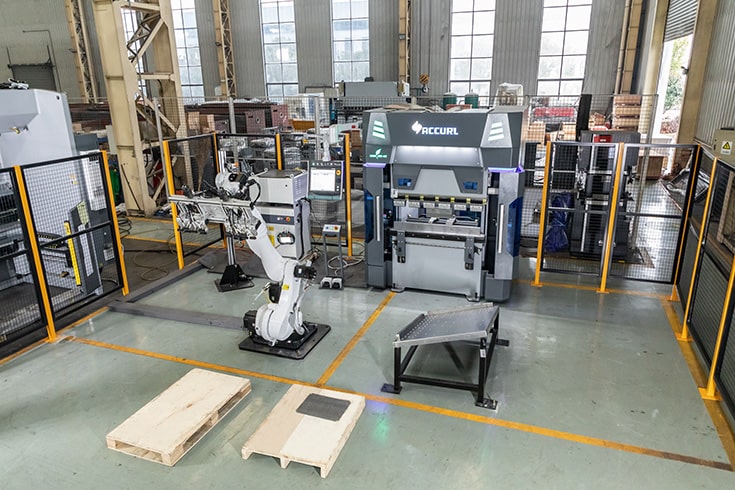
Optimizing laser cutting parameters for various materials is pivotal to maximizing productivity and achieving the highest quality cuts. Each material interacts differently with the laser beam, necessitating specific settings to efficiently manage the interaction of laser power, cutting speed, focus adjustment, and gas flow.
Adjusting Parameters for Metal Types
Different metals require distinct laser cutting parameters to achieve optimal results. Below is a guide to adjusting these parameters for various metals, complete with real-world examples:
Stainless Steel
- Laser Power: 1500 W
- Material Thickness: 5 mm
- Cutting Speed: 1.8 m/min
- Gas Pressure: 10 bar
- Example: For a clean cut in stainless steel, a higher pressure of nitrogen as the assist gas helps to prevent oxidation along the cut edge, enhancing the finish.
Aluminum
- Laser Power: 2500 W
- Material Thickness: 6 mm
- Cutting Speed: 2.0 m/min
- Gas Pressure: 6 bar
- Example: Aluminum, being highly reflective, requires higher laser power to penetrate the material. Using a faster cutting speed can help minimize the heat buildup that often distorts thin aluminum sheets.
Carbon Steel
- Laser Power: 1000 W
- Material Thickness: 3 mm
- Cutting Speed: 3 m/min
- Gas Pressure: 15 bar
- Example: For carbon steel, increasing the oxygen assist gas pressure allows for faster cutting speeds by promoting an exothermic reaction that burns the steel, thereby aiding the cutting process.
Material-Specific Considerations
Adjusting laser cutting parameters to suit different materials involves understanding their distinct properties:
- Thickness of the Material: Thicker materials require more laser power and lower speeds to achieve a clean cut. For instance, cutting 10mm thick stainless steel may require up to 3 kW of laser power.
- Reflectivity: Materials like aluminum and copper reflect laser beams more than darker, matte materials, necessitating adjustments in power and speed to compensate.
- Thermal Conductivity: High thermal conductivity materials, such as aluminum, disperse heat quickly. This trait requires higher laser powers or slower cutting speeds to maintain the necessary energy density at the cutting zone.
Fine-Tuning for Advanced Applications
For applications beyond simple cutting, such as engraving, marking, or welding, parameters must be meticulously adjusted to achieve the desired results. Here are specific settings for different advanced applications:
Laser Engraving
- Power Setting: Low to moderate, to avoid penetrating too deeply into the material.
- Pulse Frequency: High, to ensure continuous and smooth line engraving.
- Pulse Duration: Short, to prevent heat build-up and material warping.
- Repetition Rate: Low, to allow precise control over the engraving depth.
Laser Marking
- Power Setting: High, to alter the surface without cutting through.
- Pulse Frequency: Low, to create a distinct mark with each pulse.
- Pulse Duration: Long, to ensure the mark is visible and permanent.
- Repetition Rate: High, for faster completion of the marking process.
Laser Welding
- Power Setting: High, to melt the material edges to form a bond.
- Pulse Frequency: Low, to control the input of energy and prevent material deformation.
- Pulse Duration: Long, to ensure enough heat is generated to create a strong weld.
- Repetition Rate: Moderate, to maintain the welding speed without overheating the materials.
Conclusion
Adjusting the laser parameters effectively is not just about enhancing the precision and quality of cuts; it also plays a significant role in boosting operational efficiency and extending the lifespan of the cutting equipment.
The discussion provided insights into how tailored adjustments can meet specific material properties and application needs, ensuring optimal performance and minimal waste.
Looking ahead, the future of laser cutting technology appears promising. Advancements are continually being made in laser technology, with improvements in laser power, efficiency, and control.