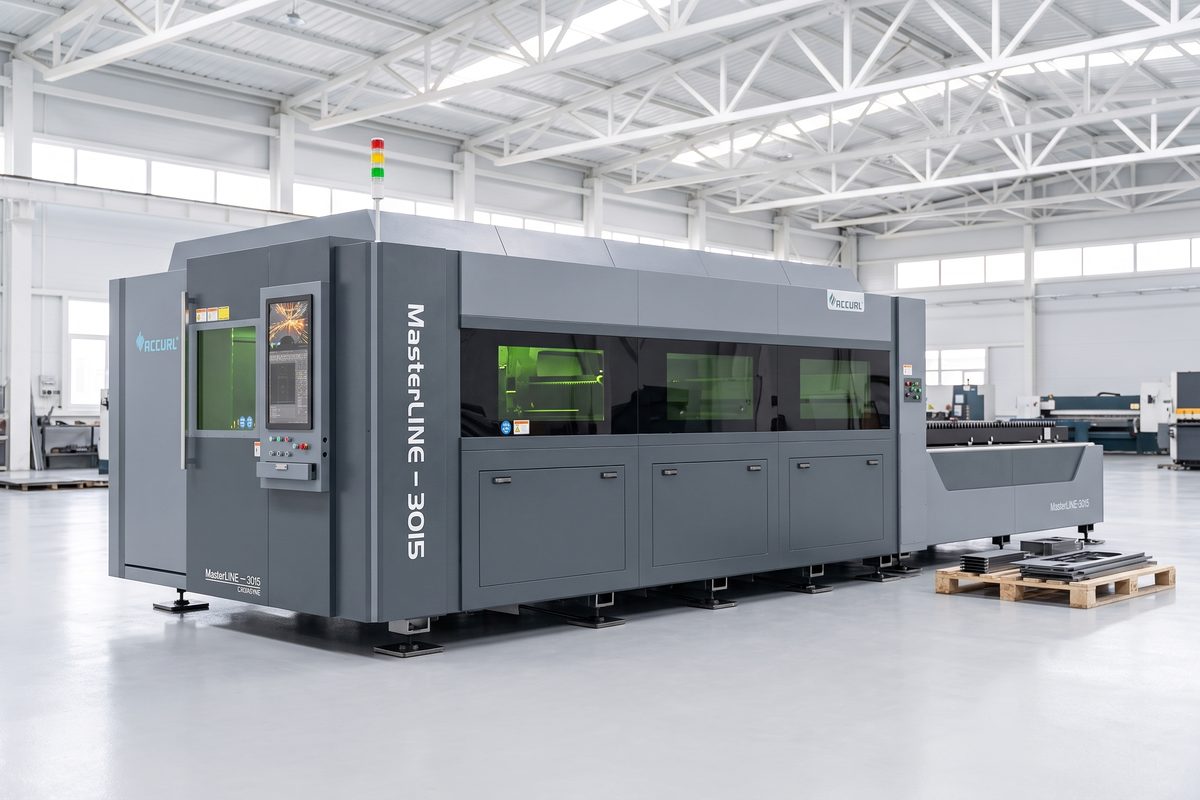
Fiber Laser Cutting
Fiber Laser Vs CO2 Laser: Differences, Comparison and How to Decide Which One to Buy

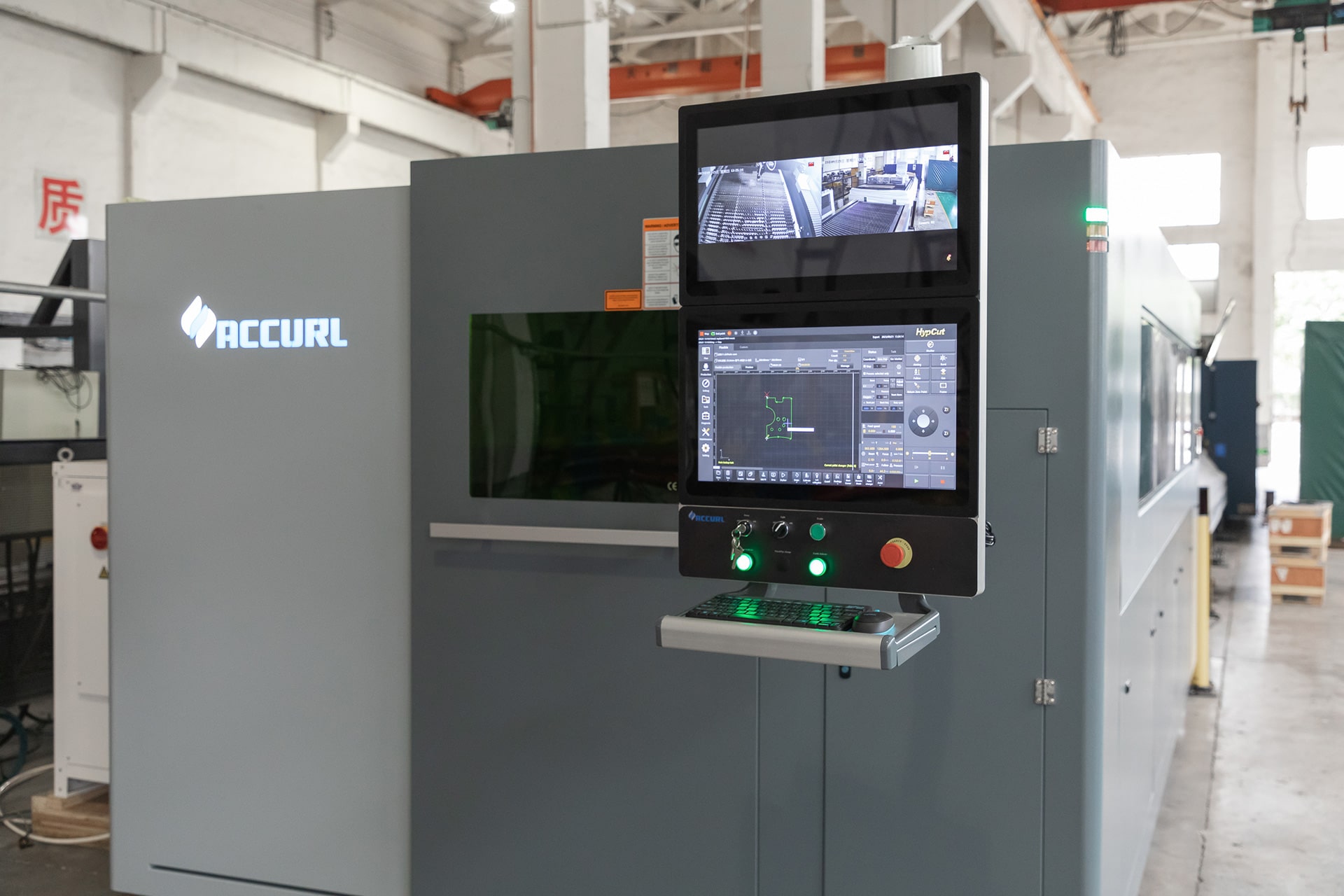
The debate of which is a better option between fiber and Co2 laser might not be ending anytime soon, as they are both the two popular laser cutting methods. Fiber lasers are known for their efficiency and ability to cut thin materials with high precision and speed, thanks to their shorter wavelengths and solid-state laser technology.
On the other hand, CO2 lasers are versatile, particularly effective for cutting non-metallic materials like wood, acrylic, and plastics
However, to choose which is best for your application, you need to evaluate both options, and decide which laser machine best suits your specific needs and applications.
So, let’s get right into it.
What is the Difference Between Fiber and CO2 Laser?
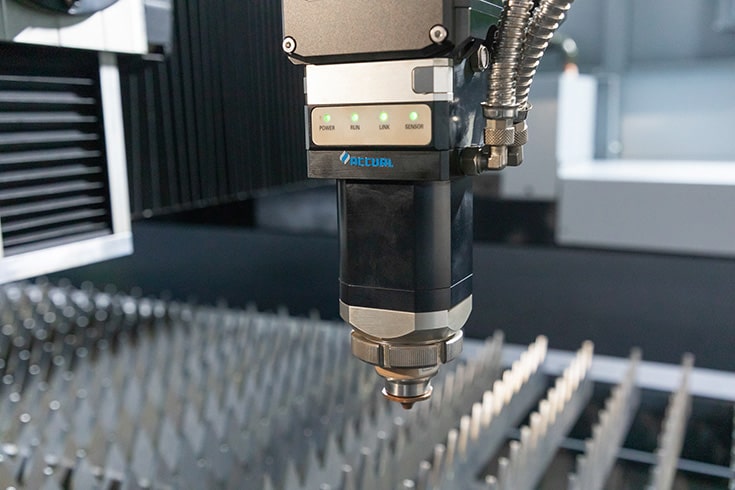
Fiber lasers and CO2 lasers differ primarily in their laser beam generation method and applications.
Fiber laser cutting utilizes solid-state laser technology, which employs a fiber optic cable to deliver the laser light. This system is efficient, offering faster cutting speeds and lower operating costs.
CO2 lasers, however, use a gas-filled tube with carbon dioxide as the laser medium. This technology is more suitable for non-metallic materials due to its longer wavelength, which interacts differently with various materials. While fiber lasers excel in cutting metals and reflective materials, CO2 lasers are better suited for organic materials and provide smoother cut edges.
What is a Fiber Laser?
A fiber laser is a type of solid-state laser that uses optical fibers doped with rare-earth elements as the gain medium. The laser light is generated by a laser diode and travels through a fiber optic cable, which amplifies the light and focuses it into a laser beam. This beam path delivery system enables precise laser cutting with high cutting speeds.
Fiber laser machines are highly efficient and are particularly effective at cutting metals like stainless steel and aluminum. They are known for their low maintenance requirements and energy efficiency, offering a cost-effective solution for high-precision applications.
The ability of fiber lasers to cut reflective materials with minimal risk of back reflection damage is a key advantage over other laser technologies.
What is a CO2 Laser?
CO2 laser cutting generates laser light by electrically stimulating a gas-filled tube containing carbon dioxide. This laser machine uses optical mirrors to direct the laser beam to the cutting head, which focuses it onto the material surface.
CO2 lasers are highly effective for cutting non-metallic materials like wood, acrylic, and textiles due to their longer wavelength. This longer wavelength allows the laser beam to be absorbed efficiently by these materials, resulting in a smoother cut edge and high-quality finishes.
CO2 laser machines are favored in industries where the aesthetic quality of the cut is crucial. They offer more flexibility in terms of material compatibility and can handle a wider range of materials, including thicker ones, with ease.
Comparing Fiber Lasers and CO2 Lasers
When comparing fiber lasers and CO2 lasers, it’s essential to understand their unique characteristics and applications. Let’s compare them based on eighteen factors.
Wavelength
The wavelength of a laser is a key factor that influences its cutting capabilities. Fiber lasers typically operate at a wavelength of 1.064 micrometers. This short wavelength allows the laser beam to be focused into a small spot size, enabling high precision and fast cutting speeds. For example, a fiber laser cutting machine can efficiently process thin materials at speeds up to 20 meters per minute, which is advantageous in high-volume manufacturing settings.
CO2 lasers, on the other hand, operate at a wavelength of 10.6 micrometers. This longer wavelength is better suited for cutting non-metallic materials, as it is absorbed more effectively by organic materials. This characteristic makes CO2 lasers ideal for applications requiring smooth edges and high-quality finishes on materials like wood and plastic.
Power Requirements and Efficiency
Fiber lasers are known for their high efficiency and low power consumption. They convert electrical energy into laser light with an efficiency of about 35%, making them more cost-effective for large-scale production.
For example, a fiber laser cutting machine with a power output of 2 kilowatts can cut through mild steel up to 10 millimeters thick while consuming less electricity compared to a CO2 laser. CO2 lasers, by contrast, have an efficiency of around 10-20%, requiring more power to achieve the same output.
This results in higher operating costs, especially during extended use.
Additionally, CO2 laser machines require more maintenance, such as replacing the gas-filled tube and optical mirrors, which can increase long-term expenses. In comparison, fiber laser cutters, with fewer consumables and less maintenance, offer significant cost savings over time.
Performance Metrics
When it comes to performance metrics, fiber lasers offer superior speed and precision. Fiber laser machines can achieve cutting speeds up to three times faster than CO2 lasers, particularly when processing thin materials. For example, a fiber laser can cut stainless steel at speeds of up to 20 meters per minute, making it ideal for high-volume manufacturing.
The laser beam’s small cross-sectional area ensures minimal thermal distortion, resulting in high precision and clean cuts. CO2 lasers, while slower, provide excellent edge quality, especially on thicker materials like wood and acrylic.
Their longer wavelength allows for smoother cut edges and better surface finishes, making them a preferred choice for applications requiring high-quality aesthetics. The choice between these two laser types depends on your specific performance requirements, including the need for speed versus edge quality.
Cutting Speed and Quality
Fiber lasers offer higher cutting speeds and precision, especially when working with thin materials. A fiber laser cutter can achieve speeds of up to 20 meters per minute when cutting thin sheets of stainless steel.
This speed is facilitated by the laser beam’s small cross-sectional area and solid-state laser technology, which minimizes thermal distortion and ensures high precision. CO2 lasers, although slower, excel in edge quality and surface finish, particularly on thicker materials like wood and acrylic.
The longer wavelength of CO2 lasers allows for smoother cut edges, making them ideal for applications where finish quality is a priority. When comparing fiber laser cutting to CO2 laser cutting, consider whether speed or edge quality is more important for your applications.
Cost Implications
The cost implications of fiber lasers and CO2 lasers vary significantly. Fiber lasers require a higher initial investment, but they are more cost-effective in the long term due to their lower operating costs and minimal maintenance needs.
For example, a fiber laser machine uses less electricity and does not require frequent replacement of components, thanks to its solid-state design. On the other hand, CO2 lasers have a lower upfront cost but incur higher operating expenses.
The gas-filled tube and optical mirrors in a CO2 laser need regular maintenance and replacement, which can increase costs over time. When choosing between the two, consider your budget for both initial investment and ongoing operating expenses, as well as the expected lifespan of the laser machine.
Safety Considerations
Safety is a crucial factor when working with laser cutting machines. Fiber lasers are generally considered safer due to their solid-state laser technology and fully enclosed beam path delivery system.
This design minimizes the risk of accidental exposure to the laser beam, which is especially important in busy manufacturing environments. In contrast, CO2 lasers use a gas-filled tube to generate laser light, which requires careful handling to prevent gas leaks and ensure safe operation.
Proper ventilation is essential when using CO2 laser machines to avoid exposure to harmful gases. Additionally, both types of lasers require protective eyewear to shield against the intense laser light emitted during cutting operations. Understanding these safety considerations helps ensure a safe working environment when using either fiber or CO2 laser machines.
Edge Quality
Edge quality is a key factor in determining the suitability of a laser cutting system for specific applications. Fiber lasers excel in cutting thin materials with high precision and speed, producing clean edges on metals like stainless steel and aluminum.
This precision is due to the fiber laser’s small cross-sectional area and focused laser beam, which reduces thermal distortion and ensures smooth finishes.
However, when cutting thicker materials, fiber lasers may produce rougher edges compared to CO2 lasers. CO2 lasers are known for their ability to deliver a smoother cut edge, especially on non-metallic materials like wood and acrylic. The longer wavelength of the CO2 laser allows for better absorption and distribution of heat, resulting in superior edge quality. When choosing between fiber and CO2 lasers, consider the importance of edge quality for your applications and the materials you commonly work with.
Noise
Fiber lasers are generally quieter compared to CO2 lasers. This is due to their solid-state laser technology, which eliminates the need for a gas-filled tube and reduces the overall noise generated during operation. The beam path delivery system in fiber laser machines operates smoothly, resulting in less mechanical noise.
In contrast, CO2 lasers tend to produce more noise because of their reliance on a gas-filled tube and the associated components like optical mirrors and cutting head mechanisms.
For example, the cooling systems required to maintain the optimal temperature in CO2 laser machines can contribute to the noise levels. When working in environments where noise reduction is essential, fiber laser cutters may be the preferable choice, providing a quieter operation that enhances the working conditions.
Environmental Impact
Fiber lasers are more environmentally friendly than CO2 lasers due to their energy efficiency and lower gas usage. Fiber laser cutting machines consume less electricity, thanks to their high conversion efficiency, which can reach up to 35%.
This reduces the overall energy footprint compared to CO2 lasers, which have an efficiency of around 10-20% and require more power to operate. Additionally, fiber lasers do not rely on gas-filled tubes, eliminating the need for frequent gas replacements and reducing emissions.
In contrast, CO2 lasers consume gases like carbon dioxide and nitrogen, which contribute to greenhouse gas emissions. For businesses seeking to minimize their environmental impact, fiber lasers offer a more sustainable solution with lower operating costs and reduced resource consumption, aligning with long-term environmental goals.
Cutting Range in Thickness
Fiber lasers and CO2 lasers differ significantly in their cutting capabilities when it comes to material thickness. Fiber laser cutting machines are highly effective at cutting thin materials such as stainless steel and aluminum. They excel in cutting speeds and precision for materials up to 5mm thick.
For instance, a fiber laser machine can achieve impressive speeds of up to 20 meters per minute on thin sheets of metal, thanks to its focused laser beam and solid state laser technology.
However, for thicker materials, CO2 lasers are more suitable. CO2 lasers can efficiently cut materials with thicknesses exceeding 20mm, making them ideal for applications involving wood, acrylic, and other non-metallic materials. The gas filled tube in CO2 laser machines helps distribute the laser light evenly, allowing for smoother cut edges on thicker materials.
Life Expectancy
The life expectancy of laser machines is an important factor to consider in long-term operational planning. Fiber lasers typically have a longer lifespan compared to CO2 lasers. A fiber laser cutter can last up to 100,000 hours, thanks to its solid state lasers, which have fewer moving parts and require less maintenance. This longevity translates to lower operating costs and increased productivity over time.
CO2 lasers have a shorter lifespan, often ranging from 20,000 to 30,000 hours. This is partly due to the wear and tear on the gas-filled tube and optical mirrors, which require regular maintenance and replacement. When planning for long-term usage, the extended lifespan of fiber laser machines can provide significant cost advantages and reduce the need for frequent support contact, making them a more cost effective choice for continuous operation.
Material Compatibility and Cutting Capacity

Fiber lasers excel in cutting metals, particularly reflective materials like aluminum and copper. Their ability to handle highly reflective surfaces is due to the use of a laser diode and fiber optic cables, which effectively transmit the laser beam. Fiber laser cutters are suitable for cutting thin materials and offer high precision and faster cutting speeds.
On the other hand, CO2 lasers are more versatile when it comes to cutting non-metallic materials such as wood, plastics, and glass. They use a gas-filled tube to generate laser light, which is ideal for materials requiring smooth edges. For both your current applications and future needs, it’s important to consider the material types and thicknesses that each laser can handle efficiently.
Material Types and Thicknesses
Fiber laser cutting machines are typically used for cutting materials such as stainless steel, mild steel, and aluminum up to a thickness of about 25 mm. Their cutting speed and efficiency make them the preferred choice for industries requiring high precision and productivity. For example, an equally equipped fiber laser can cut stainless steel with remarkable speed and precision.
CO2 lasers, meanwhile, can cut a wider range of materials, including non-metallic materials like wood, acrylic, and rubber. They are particularly effective for cutting thicker materials, with the ability to handle thicknesses of up to 40 mm or more. This makes CO2 laser machines ideal for applications in industries such as signage, automotive, and furniture manufacturing.
Quality of Cut
The quality of cut is another critical factor when comparing fiber lasers and CO2 lasers. Fiber lasers produce a finer and cleaner cut edge, especially when cutting metals. The use of solid-state laser technology ensures a consistent and precise beam, resulting in smoother cut edges and minimal post-processing.
For example, cutting stainless steel with a fiber laser often results in a burr-free finish. CO2 lasers, while capable of delivering high-quality cuts on thicker materials, may require additional processing to achieve the desired edge quality.
The optical mirrors and beam path delivery system in CO2 lasers provide flexibility in cutting various materials, but they may not match the high precision and edge quality of fiber lasers for metal cutting. Therefore, understanding the specific quality requirements for your applications is crucial when choosing between these two laser technologies.
Industry-Specific Uses
Fiber lasers are widely used in industries that require precision and speed, such as automotive, aerospace, and electronics. These industries often deal with reflective metals like aluminum and copper, which fiber laser cutters handle efficiently due to their high precision and speed.
The fiber laser cutting system, equipped with a laser diode and fiber optic cables, offers superior performance on thin materials, achieving faster cutting speeds and high-quality edges.
CO2 lasers, in contrast, excel in industries where non-metallic materials are predominant, such as textiles, woodworking, and signage. These lasers use a gas-filled tube and optical mirrors to produce a laser beam suitable for cutting materials like acrylic, leather, and plastics, providing smooth, high-quality edges and the ability to cut thicker materials efficiently.
Custom and Creative Applications
For custom and creative applications, both fiber and CO2 lasers offer unique advantages. Fiber lasers are ideal for intricate designs and detailed patterns in metals, making them suitable for jewelry making and detailed metal art.
Their ability to deliver high precision and a smoother cut edge allows for intricate designs with minimal post-processing. Fiber laser machines can efficiently cut complex shapes in stainless steel and other metals, which is invaluable in creating bespoke pieces.
CO2 lasers, on the other hand, are preferred for projects involving wood, glass, and acrylic. They excel in engraving and cutting these materials, offering versatility in producing custom signage, artistic engravings, and decorative items. The CO2 laser’s ability to handle a wide range of non-metallic materials makes it a popular choice for artisans and creators in custom fabrication projects.
Ease of Use and Training Requirements
Fiber lasers generally offer a straightforward learning curve due to their advanced solid-state laser technology, which eliminates the need for optical mirrors and beam path delivery systems. This technology reduces the complexity involved in aligning the laser beam, making the fiber laser machine easier to operate for new users.
A well-equipped fiber laser cutter requires less manual adjustment, thanks to its automated features, allowing for efficient handling of various materials, including thin materials like stainless steel. CO2 lasers, however, often require more in-depth training due to their reliance on gas-filled tubes and optical alignment for optimal performance.
Users must learn to handle the nuances of cutting different materials, including non-metallic materials like acrylic and wood. While both laser types require training, fiber lasers tend to be more user-friendly and cost-effective for those looking to start quickly with minimal setup and maintenance.
Environmental Impact and Energy Efficiency
Fiber lasers are more energy-efficient compared to CO2 lasers, primarily due to their use of laser diodes and fiber optic cables, which effectively deliver laser light with minimal energy loss. This efficiency results in lower operating costs and less environmental impact, as fiber lasers consume less electricity. They also produce less heat, reducing the need for extensive cooling systems.
CO2 lasers, on the other hand, require higher power levels and consume more electricity due to their reliance on carbon dioxide gas to generate laser beams. The use of gas requires a continuous supply, which increases both gas usage and environmental impact.
Additionally, fiber lasers are more environmentally friendly because they produce less waste heat, contributing to a lower carbon footprint. For those prioritizing sustainability, fiber lasers present a greener option compared to CO2 lasers.
Installation and Setup Considerations
When it comes to installing and setting up fiber lasers and CO2 lasers, there are significant differences in complexity and requirements. Fiber lasers, equipped with solid state laser technology, tend to offer simpler installation due to their compact design and use of a fiber optic cable system.
This design reduces the need for extensive optical alignment, which is common in CO2 lasers. A fiber laser machine typically integrates seamlessly with existing systems, making it a suitable choice for many users looking for efficient installation.
Conversely, CO2 lasers require careful alignment of optical mirrors and a beam path delivery system, increasing the setup time and complexity. Additionally, CO2 lasers often need more space to accommodate their gas-filled tubes and additional components. Choosing between these two laser machines depends on your available space and willingness to manage the intricacies of laser light alignment and maintenance.
Fiber Laser vs CO2 Laser: Advantages and Disadvantages
Now that we have compared the fiber and CO2 laser in details let’s provide a more simple breakdown of their main advantages and disadvantages.
What are the Advantages of Fiber Lasers?
Fiber lasers have become increasingly popular due to their numerous advantages, especially in industries where precision and efficiency are crucial.
- High Precision: Fiber lasers provide a high precision laser beam that is excellent for cutting metals like stainless steel and aluminum.
- Speed and Efficiency: Offers faster cutting speeds, making them ideal for high-volume production settings.
- Low Maintenance: Due to fewer moving parts and solid state laser technology, fiber lasers require less maintenance.
- Energy Efficiency: They consume less energy, leading to lower operating costs compared to CO2 laser machines.
- Durability: The design of fiber lasers minimizes the risk of significant damage and supports long-term use without frequent repairs.
- Compact Design: The compact nature of fiber laser cutting machines allows for easier integration into existing production lines.
What Are the Disadvantages of Fiber Lasers?
Despite their efficiency and precision, fiber lasers have some limitations. Here are the key disadvantages:
- Initial Cost: Fiber lasers often require a higher initial investment compared to CO2 lasers.
- Material Limitations: They are not as effective at cutting non-metallic materials like wood and acrylic.
- Thickness Limitations: Fiber lasers are less effective on thicker materials, where CO2 lasers can excel.
- Specific Requirements: Certain applications may need specialized fiber optic cables or laser diode components, which can increase setup complexity.
What Are the Advantages of a CO2 Laser?
CO2 lasers have been widely used in various industries due to their versatility and effectiveness. Here are the key advantages:
- Versatility: Capable of cutting a wide range of materials, including non-metallics such as plastics, wood, and glass.
- Thicker Materials: Can handle cutting thicker metals like mild steel due to their powerful gas-filled tube design.
- Lower Initial Cost: Generally have a lower initial purchase price compared to fiber laser machines.
- Smoother Cut Edge: Often produce a smoother cut edge on certain materials like wood and acrylic.
- Proven Technology: CO2 lasers have a long history of use in manufacturing, offering a reliable solution for many applications.
What are the Disadvantages of CO2 Laser?
While CO2 lasers have been a staple in many industries due to their versatility and lower initial costs, they also have some notable disadvantages:
- Reflective Materials: CO2 lasers struggle with cutting highly reflective metals like aluminum and copper. This can lead to less efficient laser cutting.
- Higher Operating Costs: These lasers use more electricity and require gas for cutting, increasing operating expenses.
- Maintenance Requirements: The presence of optical mirrors and a gas-filled tube demands regular maintenance to ensure optimal performance, which can add to long-term costs.
- Slower Cutting Speed: CO2 lasers generally have slower cutting speeds compared to fiber lasers, particularly on thin materials.
How to Select the Right Laser for Your Needs?

Choosing between a fiber laser and a CO2 laser depends on various factors that relate to your specific needs. Understanding these factors will help you decide which laser cutting machine is the most suitable for your applications.
- Material Type: Fiber lasers excel at cutting metals like stainless steel and aluminum, whereas CO2 lasers are better for non-metallic materials such as wood and acrylic.
- Cutting Speed: Fiber lasers offer faster cutting speeds, especially for thin materials, making them more efficient for high-volume production.
- Reflective Materials: If you’re working with reflective metals like copper or brass, fiber laser cutters handle these better than CO2 lasers.
- Operating Costs: Fiber lasers generally have lower operating costs due to less electricity and no need for assist gas, unlike CO2 lasers.
- Maintenance: Fiber lasers require less maintenance since they lack moving parts like optical mirrors, which are common in CO2 laser machines.
- Initial Investment: CO2 laser machines are often less expensive initially, but the long-term costs can be higher due to maintenance and energy use.
- Precision and Quality: Fiber lasers provide high precision and smoother cut edges, especially on metals, making them ideal for detailed work.
- Cutting Thickness: CO2 lasers can handle thicker materials better, but fiber lasers are advantageous for cutting thinner metals with accuracy.
Conclusion
A hill most people are willing to die on, is that the fiber laser is a better alternative to CO2 laser. While there is a bit of truth in that, CO2 lasers have their applications.
Both laser cutters come with their advantages and limitations, and your choice should be based on types of materials you work with, the precision you need, and the budget you have available.
If you are working on a project that requires you to cut metals, then your best bet will be a fiber laser cutter, but with materials like textiles and cardboard, the C02 laser is a better choice.
So, by considering these factors, you can select the laser that best fits your current applications and business goals.