News
Press Brake Safety: Hazards, Safety Measures, Tips and Regulations

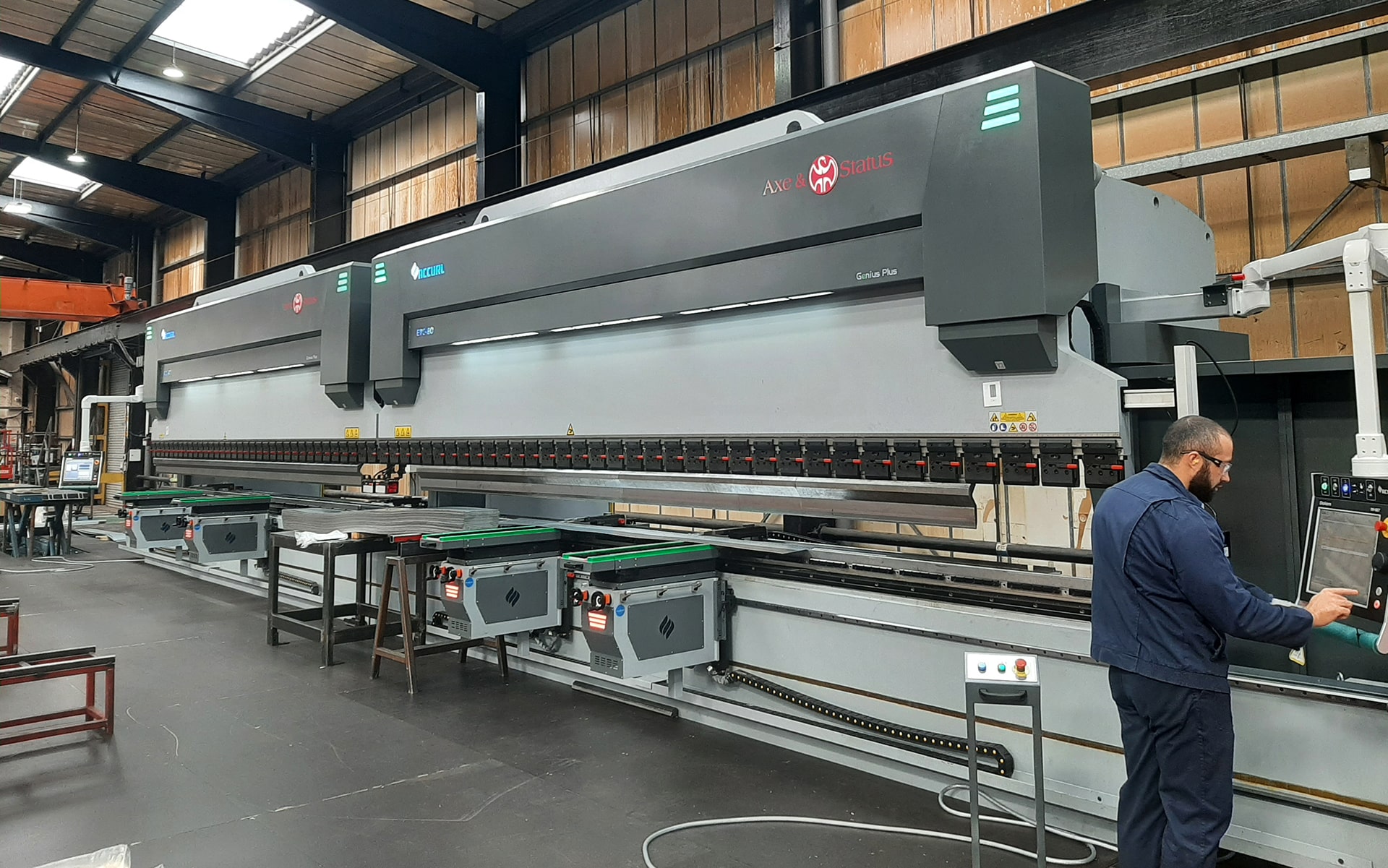
If you work with press brakes, you already know they’re built for power, but that power comes with risk. These machines are responsible for over 368 amputations each year in the U.S., according to Department of Labor data. And most of those injuries? They happen during tool changes, part alignment, or box bending, right at the point of operation, where your hands are closest to danger.
The real problem isn’t just the machine, it’s missing safeguards, outdated tech, or lack of proper training. That’s why standards like ANSI B11.3, ANSI B11.19, and OSHA’s General Duty Clause exist, to guide everything from light curtains to emergency stop buttons.
But here’s the good news: modern press brakes don’t have to trade safety for performance. With the right setup, you can stay compliant, reduce downtime, and protect your team.
In this article, we’ll break down what it really takes to keep your press brake operation safe, efficient, and audit-ready.
Are Press Brakes Dangerous?
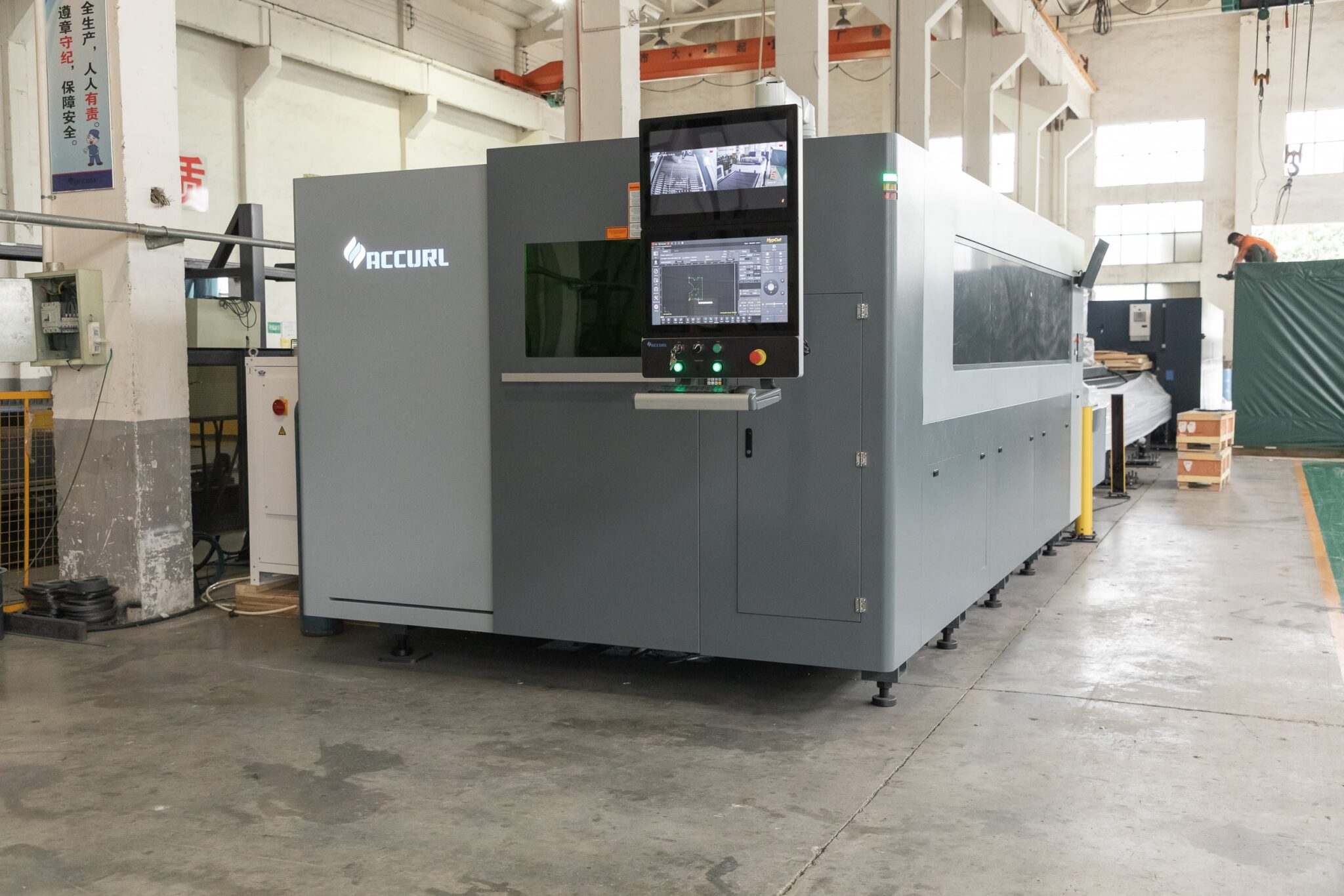
Yes, press brakes can be one of the more dangerous machines used in manufacturing. Each year, hundreds of workplace injuries are linked to press brake operation, including amputations, crush injuries, and severe lacerations. According to OSHA data, inadequate machine guarding remains one of the top ten most frequently cited violations, with over 88% labeled as “serious.” These violations account for millions in fines and reveal a deeper problem: many facilities still underestimate the danger posed by press brake hazards.
The highest risk comes from operators placing their hands or fingers too close to the point of operation.
During the press cycle, the interaction between the ram, punch, and die happens in milliseconds. If a hand is in the operating area at that moment, the result is often an amputation or permanent injury. Even more advanced hydraulic press brakes carry the same fundamental risks if the safety equipment is disabled, misused, or outdated.
Workplace injuries also occur when sheet metal is ejected unexpectedly or when backgauge systems move without warning. This often happens during complex setups or when operators override standard procedures.
On older or retrofitted equipment, the absence of presence sensing devices, emergency stop buttons, and modern safeguarding solutions dramatically increases exposure to unsafe conditions.
You should never assume that any machine, especially refurbished units, complies with current safety standards by default. Your site must evaluate each unit based on ANSI B11.3 and ANSI B11.19 guidelines. This means checking for up-to-date machine guarding, light curtains, foot switches, and proper safety distance from pinch points.
What Makes Press Brakes a High-Risk Machine?
The primary reason press brakes are high-risk machines is their ability to exert tremendous force with minimal delay, creating dangerous pinch points and exposure at the point of operation.
Many operators work close to the die area, especially during detailed tasks like box bending or precision adjustment of workpieces. When safety devices are bypassed or inactive, you are left exposed to one of the most unforgiving types of industrial machinery.
Another significant hazard involves the backgauge system, which moves automatically and can trap hands or objects.
These systems often operate silently and swiftly. When combined with a high-speed ram, even minor miscalculations become serious threats. Accidental foot switch activation or improper placement during tool change or maintenance routines further increase the chance of an incident.
Common injuries include crush injuries to hands and fingers, amputations, blunt trauma from ejected metal, and deep cuts from sharp workpiece edges. In multi-operator scenarios, where coordination is essential, communication lapses or unexpected machine behavior only multiply the danger.
A lack of operator training or unfamiliarity with the safety system adds another layer of risk, especially when dealing with customized tooling or unique forming applications.
What are Common Hazards Associated with Press Brake Operations?
Backgauge system movements are a common source of injury. When the backgauge adjusts positions between cycles, the motion can be fast and unpredictable.
If you’re handling heavy dies, your balance may be compromised, increasing the likelihood of contact with a moving part. Combined with ram speed and force, even slight missteps can result in severe injuries.
Work area clutter and poor housekeeping can add to the danger. You need a clean, obstruction-free floor to maintain awareness and avoid slipping or tripping near moving components.
Safety standards emphasize that awareness barriers and clear sightlines are part of a larger safety system, not just optional add-ons.
Distractions also raise the risk. During long shifts or repetitive work, it’s easy to develop bad habits like leaning into the operating area or skipping tool checks. These shortcuts often lead to accidents. The more familiar you are with the press brake, the more likely you are to feel confident enough to ignore routine safety practices, and that’s exactly when mistakes happen.
Older or retrofitted press brakes also come with added hazards. They may lack updated safeguarding equipment such as presence sensing devices, laser scanners, or optical protective devices.
Without features like aopd-based light curtains, emergency stop buttons, or safety monitoring relays, you’re left with minimal protection if something goes wrong.
Modern brake safety depends not only on hardware but also on operator habits and adherence to machine guarding regulations. To reduce the risk of workplace injuries, you should follow osha and ANSI b11 safety standards, ensure tools are properly installed, and train operators on both normal and emergency procedures.
Unprotected Point of Operation and Mechanical Injury Issues
The point of operation is the most dangerous zone on a press brake. This is the area where the sheet metal is deformed between the punch and die. If your hands or any body part enter this space during a cycle, the force is more than enough to cause crushing injuries or full amputations.
Unprotected machines allow direct access to the die area, especially when safety devices are missing, disabled, or improperly installed. In some cases, operators bypass safeguards to speed up production or adjust tooling, placing themselves directly in harm’s way. When there’s no curtain or barrier guard in place, even a minor lapse in attention can lead to devastating injury.
Newer safety systems now include laser-based camera vision technology designed to detect intrusion into the sensing field near the die. These systems can stop the ram automatically if any part of the operator’s body is detected within the restricted zone.
Pinch Points and Moving Backgauges
One of the most underestimated dangers during press brake operation is the movement of the backgauge system. This component, while essential for precise bending, creates several pinch points around the front, rear, and side of the machine. These areas can trap your hands, arms, or other body parts without warning, especially if you’re making manual adjustments or repositioning sheet metal between cycles.
When guards, awareness barriers, or optical protective devices are missing or improperly placed, the likelihood of injury increases. Even something as simple as adjusting a part during the machine cycle can result in contact with a moving gauge. OSHA and ANSI safety standards recommend placing at least visual awareness barriers with caution signage at the rear of the machine to prevent unintended access.
Backgauge movements are typically fast and automated. Without regular inspection, misalignment or wear can result in erratic motion. That’s why maintenance protocols should always include checks on ram speed, sensing field calibration, and guarding devices to prevent unexpected activation.
Foot Pedal and Switch Accidents
Foot pedals are common on hydraulic press brakes, but they also present a serious safety issue if not handled correctly. Unsecured foot switch cords left trailing in walkways can cause tripping hazards, and worse, they can trigger the machine cycle without warning. When a ram moves due to accidental activation, anyone near the point of operation is at immediate risk.
To prevent this, foot switches should always be placed in a stable, defined position, and their cords securely fastened away from walk paths. You should also ensure that machine guarding regulations are followed, with guards or enclosures installed around activation points.
Using two-hand control devices provides a more secure safety solution. These systems require simultaneous input from both hands, reducing the chance of unintentional starts during operation. While foot pedals offer speed and convenience, they should never compromise safety.
Sharp Edges and Flying Debris

Press brake operators are often exposed to sharp edges that form during the bending process. These edges can cause deep lacerations, especially during unloading or when repositioning large workpieces. Wearing proper personal protective equipment, like cut-resistant gloves and forearm protection, is not optional; it’s a necessity.
Another risk involves ejected parts. If a workpiece isn’t properly supported or fixtured, the force applied during the press cycle can cause it to jump or fly out of the bending area. This can result in blunt force injuries, especially when working with heavier gauges of sheet metal or during high-speed box bending operations.
To reduce these risks, make sure your press brake is equipped with fixturing support systems, and always verify that parts are stable before initiating the stroke. Additionally, installing light curtains or presence sensing devices adds an extra layer of protection by halting motion if unexpected movement or obstruction is detected in the sensing zone.
Noise and Hearing Loss
Noise exposure is another serious but often overlooked hazard in press brake operation. Repeated use of press brakes, especially older or non-isolated hydraulic press brakes, can generate continuous noise levels high enough to cause long-term hearing damage. Depending on the machine’s design and worksite acoustics, these sounds can exceed recommended limits during sustained operation.
To protect your hearing, it’s important to assess noise levels at your site. OSHA recommends implementing controls when sound exposure exceeds permissible thresholds. You should wear hearing protection, such as foam earplugs or earmuff-style protectors, especially during full production cycles or when working near multiple machines in operation.
You can also reduce noise at the source. Installing sound-dampening barriers between machines, isolating vibratory parts of the press brake, and using acoustic curtains in high-noise zones are all effective methods. Combined with regular maintenance of press components, like the ram system and backgauge assemblies, these steps contribute to a safer and more comfortable work environment.
Ergonomic and Repetitive Motion Injuries
If you work on a press brake daily, the physical strain can add up quickly. Repetitive motions, like lifting and positioning sheet metal or reaching across the bending area, can result in muscle fatigue, joint stress, and even long-term injuries. Without proper ergonomics, it’s easy to develop chronic pain from awkward body positions or excessive force during the press cycle.
Heavy materials, especially during tool changes or when aligning parts on the die, place extra load on your lower back, shoulders, and hands. Over time, this can lead to repetitive strain injuries and limit your ability to perform essential tasks. It’s not just about comfort, it’s about long-term health and productivity.
To mitigate these risks, ergonomic workstations are essential. Anti-fatigue mats can reduce stress on your feet and knees, while lift tables or mechanical aids help with sheet metal handling. Task rotation and posture training are also effective.
What Safety Measures Should Be Taken to Prevent Accidents
Risk assessments should be conducted at multiple stages, before commissioning new hydraulic press brakes, after any modification in tooling or machine guarding, and following any reported accident. These assessments should evaluate access to the point of operation, presence sensing devices, and compliance with ANSI B11.3 and ANSI B11.19 safety standards.
You also need to test safety devices regularly. Before each shift begins, light curtains and optical protective devices must be verified to ensure the sensing field functions properly. Even a small failure in the safety system can compromise protection.
During maintenance, enforce lockout/tagout (LOTO) protocols without exception. Press cycle interruption without full shutdown is never safe. Whether you’re replacing tooling, cleaning around the die area, or inspecting a foot switch, LOTO ensures that no unexpected ram motion occurs during servicing.
Operator Training Programs
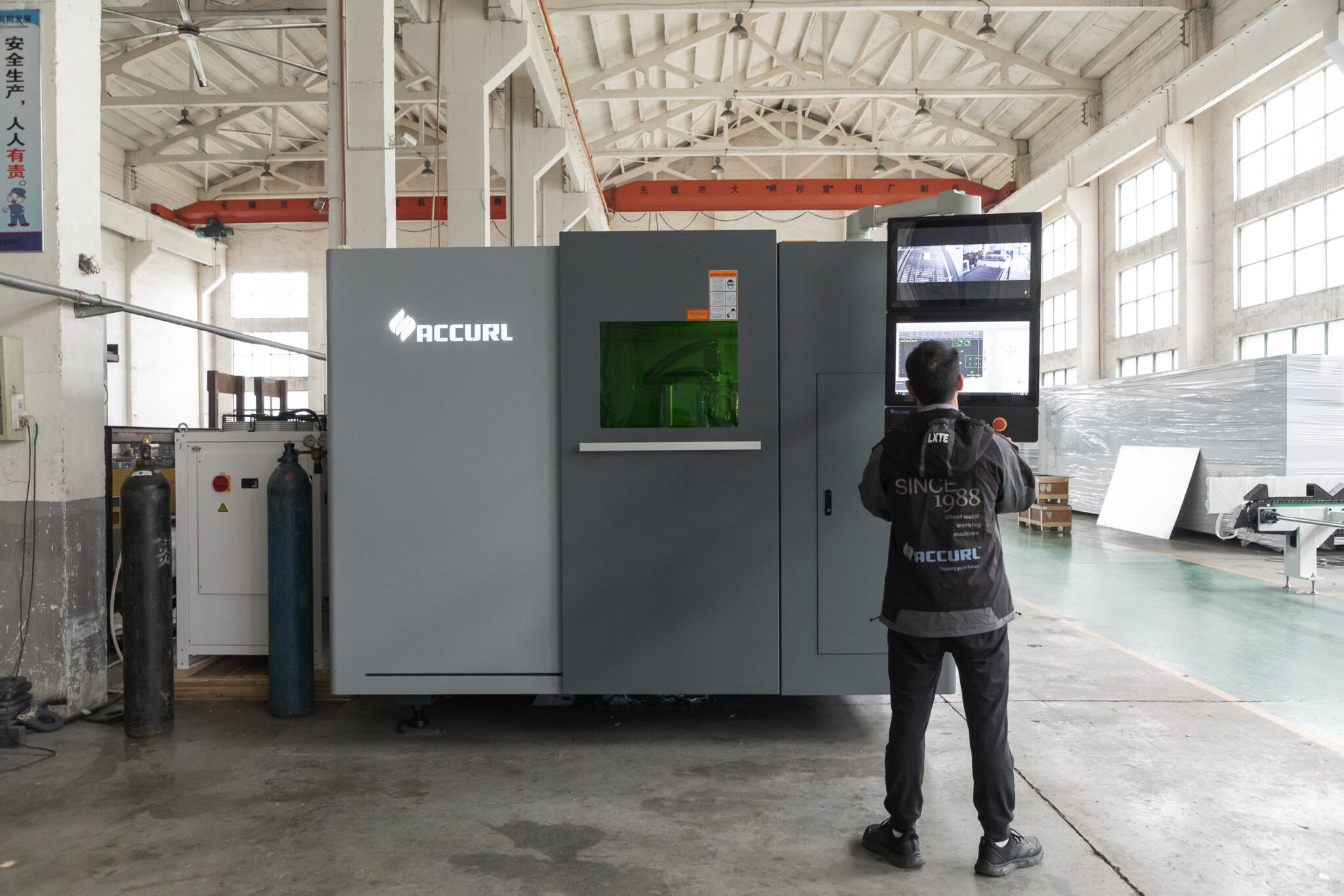
Every press brake operator must receive structured instruction not just on how to run the machine, but how to operate it safely under varying job conditions. Training should include understanding of ANSI safety standards, correct positioning of barrier guards, and identifying pinch points around the backgauge system and die area.
Topics to cover include safe tool change procedures, emergency stop button locations, foot switch precautions, and the use of safeguarding equipment like aopds, light curtains, and laser scanners. Operators should also learn to interpret machine guarding regulations and recognize signs of failing components, such as irregular ram speed or inconsistent presence sensing device responses.
Employers must keep detailed training records and provide refresher sessions periodically. Assigning crew leaders or safety coordinators helps reinforce proper practices.
Use of Personal Protective Equipment (PPE)

No press brake operation is complete without the use of proper personal protective equipment. As an operator, you’re exposed to sharp sheet metal edges, flying debris, and potential contact with moving parts. PPE helps reduce exposure to these physical hazards during every phase of the machine cycle.
At a minimum, you should wear cut-resistant gloves, safety goggles, steel-toe boots, and hearing protection. Depending on the operation, face shields and arm guards may also be necessary, especially when working near exposed dies or during box bending applications.
Loose clothing, hanging jewelry, or unfastened long sleeves pose additional safety risks. These can easily get caught in moving parts, particularly around the press area, foot switches, or backgauge system. Supervisors should routinely check PPE compliance and confirm that everyone on site understands the safety requirements.
Work Area Organization and Housekeeping
Trip hazards, such as scattered parts, spilled fluids, or trailing foot switch cables, can result in falls or unintentional activation of the machine. Keeping the area around the bending zone and foot pedals free of debris directly reduces risk.
Good housekeeping helps you focus. A clutter-free environment minimizes distractions and keeps your attention on the press brake operation. Slip-resistant mats can be placed in high-traffic areas to prevent falls, especially near hydraulic press brakes where fluids might accumulate.
You should ensure that the access around the point of operation remains clear. Visual warnings, awareness barriers, and routine inspections all support this goal.
Regular Maintenance and Safety Inspections
Over time, components like foot switches, hydraulic lines, ram controls, and die clamps can wear out or become misaligned. If you don’t address these issues, the machine may behave unpredictably, putting both operators and equipment at risk.
Daily checks should include machine guarding, safety devices, and the function of all presence sensing devices. Light curtains, for instance, must be tested at the start of every shift to confirm their sensing field correctly disables the press cycle if access to the point is breached. Any anomaly should be reported and resolved before operation continues.
Hydraulic systems must also be inspected for leaks, especially near areas where ram speed and downstroke are applied under pressure. A failed seal or loose connection can compromise brake safety or trigger unexpected motion.
To learn more about maintenance tasks that support safety and performance, see how to maintain a press brake.
Safe Tool and Die Changes
When you’re handling dies, clamps, and heavy parts, even a small slip can result in severe hand injuries or crushed fingers. That’s why lockout/tagout (LOTO) procedures must always be followed during tool change operations, no exceptions.
Before making any adjustments, you must secure the ram in either the fully raised or fully closed position. This prevents unintended motion and ensures the die area is safe to access. Never reach under a suspended load or assume the system will hold pressure without mechanical restraint.
Use designated lifting equipment, die carts, or ergonomic tools to reduce strain and avoid sudden shifts in die position. Operators should also inspect clamps and bolts for wear or improper alignment before securing new components.
Lastly, don’t bypass any safety interlocks. These devices are part of the overall safeguarding system and exist to protect you from system errors or faulty control signals during sensitive tasks like tool setup.
What are the Safety Considerations by Type of Press Brake?
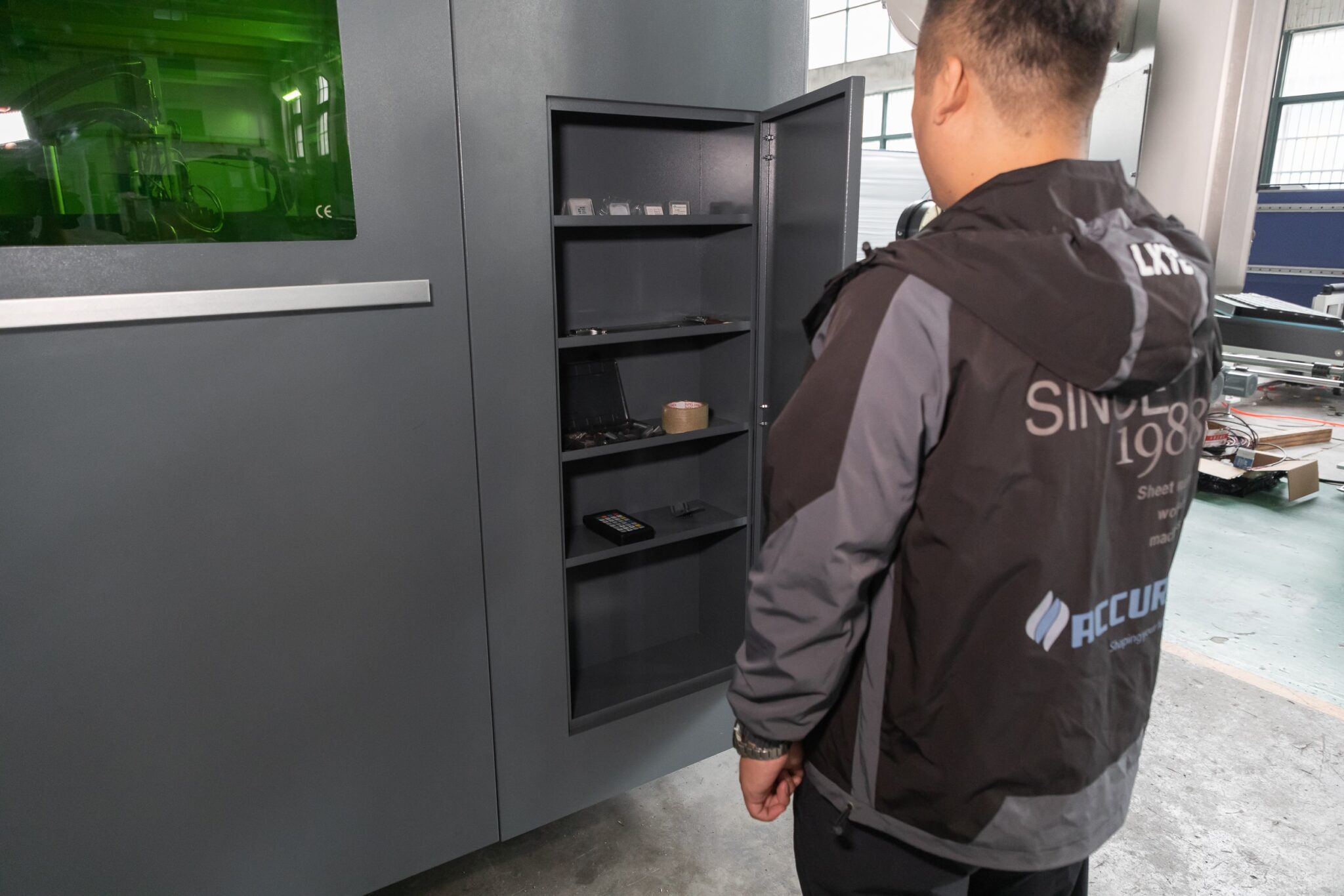
As a press brake operator, you need to understand how each machine’s design affects your exposure to hazards. The fixed nature of mechanical presses, for example, differs significantly from the programmable control of hydraulic press brakes. These variations directly impact what kind of safety equipment is effective, and what precautions you must take to remain compliant with ANSI and OSHA safety standards.
Mechanical presses often have less flexibility in stopping motion quickly, which increases the importance of proactive safety measures like fixed guards and two-hand controls. In contrast, modern systems may use aopds, light curtains, and safety monitoring relays integrated with the control circuit to stop the machine mid-cycle.
Mechanical Press Brakes
Mechanical press brakes present safety challenges that differ from other machine types. These presses use a flywheel-driven system, which produces fixed stroke lengths that can’t be adjusted mid-cycle. Because of this non-adjustable motion, they often have longer dwell times and slower stop capabilities compared to hydraulic systems.
One of the biggest safety concerns is the limited ability to stop the press cycle once it’s engaged. This increases the danger to hands or fingers positioned near the point of operation. The fixed movement means the press brake operator has fewer opportunities to intervene if something goes wrong during bending.
While ANSI B11.3 and B11.19 recommend safeguarding equipment like light curtains, these may not be effective here due to the longer required safety distances, often up to 2 or 3 feet. Instead, mechanical brakes typically rely on fixed barrier guards, emergency stop buttons, and two-hand control devices as their primary safety solution.
Hydraulic Press Brakes
Hydraulic press brakes rely on pressurized fluid to power the ram, which introduces unique safety considerations. While these machines offer more control than mechanical types, they still carry risks. Pressurized fluid systems can leak, creating slip hazards on the shop floor and posing environmental concerns. Leaks near the operating area may also affect brake safety by compromising system pressure or ram speed control.
One advantage is their shorter stop time. Because ram movement can be controlled more precisely, safety devices like light curtains and presence sensing devices are more effective. These systems can trigger an immediate stop when someone enters the sensing field near the point of operation.
You’ll also find built-in protections such as overload sensors and pressure relief valves, which help regulate force and avoid component failure. During any maintenance or tool change on hydraulic press brakes, strict lockout/tagout (LOTO) procedures must be enforced. This prevents accidental actuation and ensures safety compliance with ANSI B11 and OSHA standards.
Servo-Electric Press Brakes
Servo-electric press brakes use electric motors instead of hydraulic fluid, offering a safer and more efficient alternative for many forming applications. These systems provide excellent control over motion and speed, which enhances operator safety, especially in precision bending tasks involving complex parts or custom tooling.
Unlike mechanical or hydraulic systems, servo-electric presses can be programmed with safety interlocks that monitor operating parameters such as ram speed and access to the point of operation. These machines also feature automatic shutoff functions that halt the press cycle if abnormal motion or unauthorized access is detected.
Software controls allow for advanced safeguarding integrations, including real-time system diagnostics, programmable sensing zones, and compatibility with aopd-based laser scanners or light curtains. However, safety depends on more than just automation. You must conduct regular electrical inspections to prevent shock hazards and verify system reliability.
Operator training is essential as well. Press brake operators must understand how to navigate digital menus, manage safety settings, and respond to control circuit alerts.
Infrared Light Curtains and Optical Sensors
Infrared light curtains use a grid of invisible beams projected across the access area of the press brake. These beams create a sensing field between a transmitter and receiver mounted on either side of the machine’s front. When any object, like a hand or finger, interrupts one of the beams, the safety device sends a signal to the control circuit to immediately stop the ram’s motion.
This system is particularly effective for hydraulic press brakes, where shorter ram stop times allow for quick interruption without compromising productivity. According to ANSI B11.19, the safety distance must be calculated to account for machine speed and stopping performance to ensure compliance.
One of the benefits of light curtains is that they allow open access to the die area without requiring physical guarding. This improves workflow during tasks like box bending or precision part alignment, while still enforcing reliable brake safety.
Laser-Enhanced Point-of-Operation Safeguards
Laser AOPDs offer an advanced level of protection by using laser-based detection aligned closely with the die area. These systems provide real-time monitoring of the bending area, stopping the press cycle the moment hands or other objects cross into the defined danger zone.
Unlike basic light curtains, laser systems can differentiate between static and dynamic objects. That means the safety device won’t stop the press unnecessarily for a fixed part or tool. This intelligent operation improves both operator protection and efficiency. Laser scanners are especially useful in retrofitting older press brakes that lack modern control circuit integration.
Many laser-enhanced safety devices also work with programmable controls and safety monitoring relays. This allows you to customize sensitivity, define zones, and log safety events for ongoing analysis. For full effectiveness, ensure your operators are trained on system status indicators and that the machine guarding regulations for laser-based systems are followed closely.
Presence-Sensing Safety Technology
Presence-sensing devices (PSDs) play a critical role in modern press brake safety by halting the press cycle if a person or object enters a predefined danger area. These systems use sensors, such as infrared beams or capacitive fields, to monitor the space near the point of operation. If the sensing field is disrupted, the PSD immediately signals the safety control system to stop motion, protecting you from contact with the moving ram or die area.
This technology is especially useful in hydraulic press brakes where ram speed can be interrupted quickly. ANSI B11.19 outlines specific safety distance calculations, ensuring the system reacts in time based on press cycle dynamics. PSDs are often integrated with safety relays and other protective devices to form a complete safeguarding system.
To ensure effectiveness, daily function checks of these systems are required. A failed sensor or misaligned transmitter and receiver could allow unprotected access, creating a false sense of safety. Always verify the system status before starting a shift.
Two-Hand Actuation Mechanisms
Two-hand actuation systems reduce the risk of accidental injury by requiring both hands to initiate the press cycle. As a press brake operator, you must press two separate control buttons simultaneously and maintain pressure throughout the operation. This design ensures that your hands are clear of the danger area when the ram begins its downstroke.
These mechanisms are particularly effective on mechanical and older hydraulic press brakes where point-of-operation guarding is limited or where presence sensing is not feasible. By enforcing a deliberate, coordinated action, they help eliminate the possibility of one-hand operation or accidental contact with a foot switch.
ANSI B11.3 and OSHA guidelines support two-hand controls as an approved safety solution for many forming applications. These systems are typically installed in combination with barrier guards or awareness barriers to further isolate hazardous zones.
For full compliance, the two-hand control system must include anti-tiedown and control circuit monitoring features. This ensures both devices are engaged independently and not bypassed, a critical requirement for safe machine guarding.
Fixed and Adjustable Barrier Guards
Barrier guards are among the most straightforward forms of machine safeguarding. These physical structures block access to hazardous areas such as the die space, bending area, or backgauge system. They prevent you from placing hands, fingers, or other body parts into the danger zone during operation. Depending on the machine configuration and process requirements, guards can be either fixed or adjustable.
Fixed guards are typically bolted into place and remain in position throughout operation. They offer robust protection but may limit access for tasks like tool change or workpiece positioning. Adjustable guards, on the other hand, can be repositioned to allow access for maintenance or specific applications, such as deep box bending or long part support.
All barrier guards must meet safety standards regarding minimum safety distance and visibility. Clear polycarbonate panels are often used to maintain line of sight without compromising protection.
Proper installation, maintenance, and operator training are essential to ensure these guards don’t become obstructions or get removed during production.
Camera and Vision-Based Safeguarding Systems
Camera and AI-assisted vision systems are among the most advanced safety solutions available for modern press brakes. These technologies go beyond traditional light curtains and sensors by using real-time video analysis to monitor operator behavior, machine motion, and workpiece interaction. High-resolution cameras are mounted to observe the point of operation, with software interpreting movement patterns and identifying hazardous scenarios.
AI algorithms can distinguish between intentional and unintended actions, such as a hand reaching toward the die versus routine material positioning. If the system detects unsafe movement, it can automatically pause the press cycle or trigger an emergency stop through the safety relay system. This adds an intelligent layer of protection, particularly useful when dealing with complex parts or retrofitted equipment.
Camera-based systems are often integrated into the press brake’s safety system software and can be adjusted through the control menu. When paired with other safeguarding equipment like barrier guards or light curtains, they improve precision and help you meet ANSI B11.3 and OSHA compliance for injury prevention.
Active Optoelectronic Protective Devices (AOPD)
AOPDs are electrosensitive safety devices designed to monitor hazardous zones near the bending area using invisible beams of light. These systems, often referred to as laser scanners or optical protective devices, create a monitored sensing field that surrounds the point of operation. If any part of your body enters this defined area during the press cycle, the system halts the motion instantly to prevent injury.
These devices are especially effective on hydraulic press brakes, where short stopping distances allow for responsive brake safety. AOPDs can be programmed for specific beam angles, operating area dimensions, and safety distances, making them adaptable to various job requirements and sheet metal sizes.
You’ll typically see AOPDs mounted on the ram or tooling area. They work in tandem with the safety control circuit, monitoring each stroke for unauthorized intrusion. This type of technology is well-suited for applications involving fast cycle times and custom tooling configurations, providing reliable performance that complies with ANSI B11.19 and machine guarding regulations.
Smart Safety Integration with CNC Controls
Today’s CNC press brakes allow you to manage safety parameters, zone definitions, and device diagnostics directly from the operator menu. This level of integration ensures every press cycle runs under optimal safety conditions without requiring manual reconfiguration between jobs.
With software-based control, you can set safety zones dynamically based on the size of the workpiece, the selected die, or the position of the backgauge system. These systems monitor ram speed, motion timing, and input from devices like presence sensing devices, light curtains, and emergency stop buttons. If a parameter exceeds safe limits, the software can intervene by interrupting the machine cycle.
Smart safety integration also supports remote diagnostics, auto-calibration, and proactive maintenance alerts. It’s a complete safety solution that adapts in real-time to the demands of your operation, helping you reduce risk, minimize downtime, and stay compliant with evolving safety standards across all types of press brakes.
Optical Safety Systems
Optical safety systems create a defined sensing field between the ram and the die. If anything enters that field, like your hand or any unintended object, the system sends a stop signal to the safety relay, halting the press cycle immediately. This allows you to maintain proximity to the bending area without compromising safety or productivity.
Many manufacturers rely on light curtains or laser-based systems as part of their safeguarding equipment. These are particularly effective for tasks involving repetitive handling of sheet metal or small parts where physical guards would be limiting.
ACCURL press brakes take this concept further by integrating advanced optical protective devices. Their LZS Series and IRIS Series Safety Laser Protection systems offer precise detection around the bending area. These technologies maintain full visibility and access to the work area while offering responsive stopping capability. They’re engineered to reduce the risk of pinch points without slowing down your workflow.
Another interesting safety features of ACCURL press brakes is the OEM embedded LazerSafe, which is designed to work with the PCSS-A safety controller, a CE-certified, Category 4 compliant system. This integration offers high-speed, real-time press brake safeguarding, ensuring compliance with ANSI B11.3 and ANSI B11.19 safety standards while helping you stay productive on-site.
What Regulations and Standards Govern Press Brake Safety?
While different regions follow unique standards, most aim to protect operators from machine hazards such as pinch points, uncontrolled motion, and unsafe access to the point of operation.
U.S. safety regulations, led by OSHA and ANSI, focus on general machine guarding principles and device-specific standards. International frameworks, such as ISO 13849-1 and CE conformity requirements, influence global practices and harmonization. Whether you’re working with hydraulic machines or retrofitting legacy systems, maintaining compliance with current safety guidelines ensures that your press cycle, ram speed, and operating area are properly protected.
U.S. Safety Standards (OSHA, ANSI, NFPA)
In the United States, press brake safety is primarily governed by OSHA’s General Duty Clause 1910.212, which mandates the use of appropriate safeguarding for all industrial machinery. While OSHA does not provide machine-specific rules for press brakes, violations related to inadequate machine guarding remain among the most frequently cited and most serious.
ANSI B11.3 fills this gap by offering a detailed safety standard for press brake safeguarding. It outlines how to reduce risks at the point of operation using protective devices such as light curtains, presence sensing devices, and two-hand actuation systems. This standard also supports newer technologies including active optoelectronic protective devices, emphasizing the need for safe distance calculations and control circuit validation.
ANSI B11.19 complements B11.3 by setting out design requirements for safeguarding systems. It ensures that devices like emergency stop buttons, safety monitoring relays, and safety systems meet performance-based criteria. For full compliance, you should conduct risk assessments before commissioning new equipment, after changes in tooling or operation, and following any incident involving injury or exposure.
Global Safety Standards for Press Brakes

International manufacturers and exporters must also follow global safety protocols to meet compliance and performance expectations. ISO 13849-1 is one of the leading international standards. It defines performance levels based on the severity of risk, the frequency of exposure, and the possibility of avoiding harm. This approach supports scalable and reliable safety system design, especially in complex multi-machine environments.
European Union regulations such as EN 12622 provide additional guidance for mechanical and hydraulic press brakes. This standard includes criteria for light curtain performance, barrier guards, and safe stop speeds. Many updates in ANSI standards reflect concepts already outlined in European regulations, encouraging harmonization between safety frameworks.
To achieve CE conformity, press brake manufacturers must demonstrate that their safeguarding equipment, electrical systems, and control circuits meet strict international requirements. Global compliance not only enhances user protection but also ensures safer integration of devices like backgauge systems, lasers, and pressure-sensitive tools.
What are the Legal and Financial Consequences of Ignoring Press Brake Safety?
If you neglect press brake safety protocols, the outcome is more than just unsafe working conditions, it becomes a serious liability. OSHA routinely investigates violations involving insufficient access control, poor machine guarding, and exposure to pinch points near the bending area. These inspections can result in steep fines, sometimes totaling millions of dollars annually across the industry.
Besides regulatory penalties, you may face lawsuits from injured employees or their families. Downtime due to workplace injuries and investigations disrupts productivity and impacts delivery timelines. Insurance premiums can also rise after claims are filed, and some providers may deny coverage for non-compliant facilities.
Fines and Penalties from Regulatory Bodies
OSHA does not take press brake safety violations lightly. In cases where inadequate guarding or faulty safeguarding equipment is involved, the agency applies the General Duty Clause and cites employers for serious infractions. A serious violation, by definition, involves a substantial probability of death or severe injury, making these fines not only financial setbacks but also warnings about the potential dangers in your operating area.
Typical OSHA penalties for machine hazards include citations for failure to safeguard the point of operation, improper use of foot switches, and unprotected access to the die area. Annual enforcement actions routinely result in industry-wide penalties that exceed $7 million. These fines often increase when employers fail to use approved safety devices, such as light curtains or two-hand actuation systems, or ignore ANSI B11.3 and ANSI B11.19 standards.
Legal Liability from Workplace Injuries
When workplace injuries happen around press brakes, legal exposure follows closely. Employers are responsible for ensuring that safety devices like light curtains, barrier guards, and presence sensing devices are functioning and properly maintained. If you fail to protect operators from pinch points or hazards at the die area, legal action becomes likely.
Injury claims go beyond immediate fines. Workers’ compensation, civil lawsuits, and long-term disability cases can drag on for years. And if you’ve neglected OSHA-compliant systems or ignored ANSI B11.19 requirements for machine guarding, courts and regulators may interpret it as willful neglect.
Financial Impact of Machine Downtime Due to Safety Neglect
Unsafe machines don’t just hurt people, they also cripple productivity. Downtime caused by press brake accidents, malfunctioning safety devices, or emergency stop button failures creates operational chaos. Studies show that companies with strong safety systems average just 2% unscheduled downtime, while those with poor safety performance hit 14% or more.
Lost hours from a locked-out press cycle or damaged tooling reduce capacity, delay shipments, and increase overtime expenses. Additional costs arise from retraining staff, repairing hydraulic press brakes, and replacing broken safety components like optical protective devices or foot switches.
How to Conduct a Press Brake Safety Audit?
Start by developing a checklist aligned with ANSI B11.3, OSHA regulations, and your internal operating procedures. Every safety audit should include a comprehensive risk assessment that considers the point of operation, machine cycle phases, and exposure to workplace injuries.
During the audit, you’ll review operator training, use of personal protective equipment, emergency stop systems, and housekeeping in the work area. Equally important is the inspection of presence sensing devices, safeguarding equipment, and safety monitoring relays. Don’t overlook documentation, training logs, inspection records, and safety system maintenance schedules must all be up to date. Regular audits reduce legal exposure, improve brake safety, and ensure your press brake operation is aligned with the most current safety standards.
Pre-Audit Preparation and Documentation Review
Before conducting a physical inspection, your audit team should first gather and review safety documentation. This includes operator training logs, machine inspection checklists, documented lockout/tagout procedures, and safety equipment calibration reports. Standard operating procedures (SOPs), safety policies, and records of corrective actions from previous audits should also be reviewed to understand recurring hazards.
Historical workplace injury reports offer insights into safety gaps that may still exist. Reviewing completed risk assessments can help identify whether safeguarding equipment like light curtains or awareness barriers are in place and functioning.
On-Site Equipment and Safety Device Evaluation
Once documentation is confirmed, it’s time to physically inspect the press brake systems. Begin with machine guarding: evaluate fixed and adjustable guards, backgauge systems, and optical protective devices. Carefully examine safety devices like light curtains, emergency stop buttons, and foot switches. Each component should be function-tested to verify performance.
Pay attention to the presence sensing devices and active optoelectronic protective devices (AOPDs). Confirm that laser scanners and safety systems are properly aligned and not obstructed. Test interlocks for guarding panels and verify that control circuits prevent press cycles when guarding is compromised. Also check for proper labeling, safety distance compliance, and unblocked access to the point of operation.
Lastly, assess the general state of the work area. You should ensure all operators are using the required PPE, housekeeping standards are upheld, and obstructions or tripping hazards are eliminated.
Post-Audit Reporting and Corrective Actions
After completing the audit, the findings must be documented clearly and systematically. Start by listing every identified hazard and categorizing it by risk level, high-risk findings should be prioritized for immediate corrective action. For example, non-functioning light curtains or absence of a presence sensing device near the bending area require urgent resolution.
Recommendations should include both short-term safety solutions and long-term preventive strategies. Update standard operating procedures, retrain staff if needed, and review your existing safety equipment for retrofit applications. Schedule follow-up inspections to verify the effectiveness of fixes. Training refreshers should also be planned to reinforce safety measures and ANSI B11.3 compliance.
Conclusion
Let’s be honest, working with press brakes comes with real risks. But with the right mindset and tools, those risks can be managed, minimized, and often eliminated. It all starts with awareness. When you and your team understand the dangers, follow clear procedures, and use the right safety equipment, you’re building a culture that prioritizes both protection and productivity.
Modern press brake systems are designed to help, not hold you back. With light curtains, presence sensing devices, barrier guards, and safety relays, you can run at full speed without cutting corners on safety. These aren’t extras, they’re essentials.
And when you make safety part of your routine, through maintenance, updated training, and team involvement, you’re not just following standards like ANSI B11 or OSHA. You’re protecting people, reducing downtime, and setting your business up for long-term success. Because at the end of the day, safety is how we lead.