
Press Brakes
Press Brake Tonnage


When we talk about press brake tonnage, we’re also talking about achieving the balance between material integrity, accuracy, and safety. Whether you’re working with mild steel, stainless steel, or high-strength alloys, the correct tonnage ensures each bend is precise while protecting the material from unnecessary stress or damage. This understanding not only safeguards your projects but also enhances your workflow, helping you avoid rework and delays.
In this article, we’ll walk through the key aspects of press brake tonnage and explore why it’s such a valuable part of efficient and accurate metal fabrication.
What are Press Brake Mechanics?

Press brakes operate by applying force to metal sheets, bending them into desired shapes using a combination of a punch and a die. The basic mechanics involve the metal being placed on the die while the punch presses down, deforming the sheet along a predefined line. This bending process relies on precision alignment and controlled pressure to achieve consistent results.
There are three primary methods used in press brake operations: air bending, bottom bending, and coining. Each method requires a specific amount of force and tooling configuration, which directly impacts the tonnage needed. Key components of a press brake include the ram, bed, punch, and die, all working together to ensure accurate bends.
What are the Basics of Press Brake Tonnage?
Press brake tonnage refers to the amount of force, measured in tons, required to bend a metal sheet. This force depends on several factors, including the material’s tensile strength, thickness, and length, as well as the desired bend angle and radius. Calculating the correct tonnage is critical for maintaining safety, ensuring efficient operation, and producing high-quality bends.
Using insufficient tonnage can lead to inaccurate bends, material defects, or even incomplete deformation. On the other hand, excessive tonnage may cause damage to the press brake machine, tooling, or the material itself.
What is the Importance of Correct Tonnage Selection in Press Brake Bending?
Selecting the correct tonnage for press brake bending is critical for achieving high-quality results while ensuring the safety and longevity of equipment. If the tonnage is insufficient, the material may not bend properly, leading to incomplete deformation or inaccuracies that require rework. Conversely, excessive tonnage can damage the press brake machine, tooling, or the material itself, increasing repair costs and production delays.
Correct tonnage selection also affects production efficiency and safety. Overloaded press brakes risk machine failure and pose hazards to operators. On the other hand, insufficient tonnage results in material defects, compromising product quality. Factors such as material thickness, tensile strength, and bending length must be considered to calculate press brake tonnage accurately. This ensures that your process aligns with the material’s requirements and minimizes waste.
What are the Factors Influencing Press Brake Tonnage?
Several factors influence press brake tonnage, each playing a crucial role in determining the force required for accurate bending. These include:
- Material Thickness: Thicker sheets require more tonnage for bending.
- Material Type: Tensile strength and yield strength vary by material, such as mild steel, stainless steel, or aluminum.
- Bending Length: Longer bends increase the total force required.
- Die Opening Width: Wider die openings reduce tonnage needs, while narrower openings demand more force.
- Bend Radius and Angle: Sharper angles or smaller radii require additional tonnage.
Material Properties and Tonnage
Material properties significantly impact press brake tonnage requirements. The tensile strength and yield strength of the metal determine how much force is needed to deform it. For example, mild steel with a tensile strength of approximately 60,000 PSI requires less tonnage compared to stainless steel, which has a tensile strength of 84,000 PSI. Additionally, material type influences springback behavior, a critical consideration during tonnage calculations.
Material Types and Their Tonnage Requirements
Different metals have unique properties, such as tensile strength and yield strength, which directly influence the tonnage needed for bending. Below is a breakdown of common materials and their typical tensile strengths, along with how these values impact tonnage calculations:
- Mild Steel: 60,000 PSI (approx. 450 MPa)
Requires moderate force for bending, making it a common material in metal fabrication. - Stainless Steel: 84,000 PSI (approx. 580 MPa)
Higher tensile strength demands greater tonnage compared to mild steel. - Aluminum (5052-H32): 34,000 PSI (approx. 234 MPa)
Lightweight and softer, aluminum needs less force but can be prone to deformation. - Low Carbon Steel: 300–500 MPa
Suitable for applications requiring low to moderate tonnage. - Medium Carbon Steel: 600–800 MPa
Higher strength makes it ideal for structural components but increases tonnage requirements. - High Carbon Steel: 800–1200 MPa
Requires significant force, suited for heavy-duty applications. - Brass: 300–900 MPa
The tonnage varies based on specific brass alloys. - Titanium Alloy: 700–1200 MPa
High strength and lightweight properties necessitate accurate tonnage calculations. - Magnesium Alloy: 200–350 MPa
Soft and lightweight, needing minimal tonnage compared to other metals.
Material Thickness and Length Impact on Tonnage
Material thickness and bending length are two key dimensions that significantly impact press brake tonnage. Thicker materials require more force to bend, as the resistance to deformation increases with material depth. Similarly, longer bending lengths distribute the force over a greater area, increasing the overall tonnage needed.
For example, bending a mild steel sheet with a thickness of 3 mm and a length of 1 meter requires less tonnage than bending the same material with a thickness of 6 mm. As thickness doubles, the force needed can increase exponentially. Additionally, the type of tooling, such as the die opening width, can alter the required tonnage. A smaller v-opening increases the force needed, as it concentrates pressure on a narrower area.
Tensile Strength of the Material
Tensile strength plays a significant role in determining the press brake tonnage required for metal fabrication. It refers to the maximum stress a material can withstand while being stretched or pulled before breaking. Tensile strength is typically measured in pounds per square inch (PSI) or megapascals (MPa). Knowing this value helps calculate the force needed to bend the material accurately and efficiently.
For example, mild steel, with a tensile strength of 60,000 PSI, requires less tonnage compared to stainless steel, which has a tensile strength of 84,000 PSI. Materials like aluminum, with a tensile strength of 34,000 PSI, demand even less force but require careful consideration of deformation and springback during the bending process.
Grain Direction of the Material
Grain direction is another critical factor in press brake tonnage calculations. Metals have a natural grain structure formed during their manufacturing process, and this orientation affects how the material behaves during bending. Bending parallel to the grain direction typically requires less tonnage, but it increases the risk of cracking, especially in materials with high tensile strength like stainless steel.
Conversely, bending perpendicular to the grain direction increases the tonnage requirement due to greater resistance but reduces the likelihood of cracks forming along the bend. For example, when working with mild steel, bending across the grain provides better structural integrity, although it requires more force.
Bending Parameters and Tonnage
Bending parameters are crucial when calculating the press brake tonnage required for a specific project. Factors such as the length of the bend, angle of the bend, and tooling configuration directly influence the force needed. By understanding these parameters, you can optimize the bending process, protect your press brake machine, and achieve consistent results.
Bend Length
The length of the bend significantly affects the tonnage required in press brake operations. Longer bends distribute the required force over a greater area, increasing the total tonnage necessary. For example, bending a 1-meter sheet of mild steel may require 10 tons, while bending a 2-meter sheet of the same material could demand 20 tons or more.
Bed length and die opening width also play a role. Longer bed lengths accommodate larger materials but may introduce deflection issues if the tonnage limits are exceeded. The tooling, such as a v-opening, must match the bending length to ensure even pressure distribution. If the die opening width is too narrow for the material thickness, the required tonnage will increase, risking damage to the machine and tooling.
Bending Angle
The bending angle is another critical factor that determines the tonnage needed. Sharper angles require more force, as the material must be deformed further to achieve the desired shape. For instance, bending mild steel to a 90-degree angle will require significantly more tonnage than achieving a 45-degree bend.
The bending method also matters. Air bending typically requires less tonnage than bottom bending or coining because the material is not forced fully into the die. However, sharper angles in air bending may lead to increased springback, requiring adjustments in tonnage to account for material properties like tensile strength and yield strength.
Tooling Factors in Tonnage Calculations
Elements like die width, punch radius, and tooling selection directly impact the force needed for precise bending. Correct tooling minimizes risks of machine overload, tooling damage, or inaccurate bends. Each component must match the material type, thickness, and bending method to ensure optimal results and efficiency in the bending process.
Die Width and Tonnage
The width of the die opening significantly influences the press brake tonnage required for a specific material and bend. Wider die openings distribute the force across a larger surface, reducing the required tonnage, while narrower die openings concentrate the force, increasing the tonnage demand.
For example, bending a 4 mm thick mild steel sheet using a die with a wider v-opening (e.g., 12 mm) requires less tonnage compared to using a narrower die (e.g., 6 mm). Proper alignment between the material thickness and die opening is essential for maintaining accuracy and preventing damage to the press brake machine or tooling.
Recommended Die Opening Sizes by Material Thickness:
| Material Thickness (mm) | Die Opening Width (mm) |
|---|---|
| 1 | 6 |
| 2 | 12 |
| 4 | 24 |
| 6 | 36 |
| 8 | 48 |
Using the correct die width ensures consistent results and prolongs the lifespan of your tooling. Always consider the v-opening as part of your tonnage calculation to avoid exceeding the machine’s capacity or press brake tonnage limits.
Punch Radius and Tooling Factor
The punch radius is another crucial element affecting tonnage. Smaller punch radii focus the bending force on a tighter area, increasing the tonnage required. Larger radii distribute the force more evenly, reducing the pressure but potentially affecting the bend radius and angle.
Tooling selection should match the material type and thickness. A punch designed for stainless steel must accommodate the material’s higher tensile strength compared to mild steel. Incorrect tooling can lead to deformation, uneven bends, or premature tool wear.
Formula for Estimating Punch Load Limits:
Load Limit = Tensile Strength × Material Thickness × Bending Length / Safety Factor
For example, when bending stainless steel (tensile strength: 84,000 PSI) at 4 mm thickness over 1 meter, ensure that the punch and die can withstand the calculated load without exceeding their design specifications.
Upper Punch (Top Tool) Width and Impact on Tonnage
The upper punch width is a key factor in calculating press brake tonnage. Narrower punches concentrate force on a smaller area, increasing the required tonnage. Wider punches distribute force more evenly, reducing the overall load but possibly affecting the bending accuracy for tighter angles or smaller radii.
Types of Upper Punches and Applications:
- Sharp-Tip Punch:
- Best for precise bends with narrow angles.
- Often used for thinner materials like aluminum or mild steel.
- Rounded Punch:
- Reduces stress on the material.
- Ideal for bending thicker sheets or high-tensile materials such as stainless steel.
- Offset Punch:
- Allows for specialized bends, including hemming and Z-bends.
- Useful in custom fabrication where unique forms are required.
Bending Methods and Tonnage
Bending methods significantly influence press brake tonnage requirements. The choice between air bending, bottom bending, and coining impacts not only the force applied but also the final bend accuracy, material stress, and tooling wear.
Air Bending: With a tonnage factor of 1.0+, air bending is a widely used method due to its flexibility and low force requirements. Here, the material does not make full contact with the die. Instead, the punch presses the metal partially into the v opening of the die, leaving the rest of the work to material springback to form the final bend angle
Advantages:
- Minimal tonnage load, reducing wear on the press brake machine.
- Suitable for various materials like mild steel, aluminum, and stainless steel.
- Allows adjustable bend angles by varying the punch depth.
Bottom Bending: With a tonnage factor of 5.0+, this method involves pressing the material into the die until it makes full contact with the die opening walls. This produces more consistent bend angles than air bending and reduces material springback.
Advantages:
- Higher accuracy for tighter tolerances.
- Reduces the impact of springback on the results.
Coining: With a tonnage factor of 10.0+. coining achieves the most accurate bends by pressing the punch completely into the die, permanently deforming the material. This method eliminates springback entirely, producing highly precise bends.
Advantages:
- Ideal for applications requiring extreme precision and durability.
- Perfect for smaller bend radii or intricate shapes.
Friction and Speed Impact on Tonnage
Friction between the material and tooling, as well as the bending speed, plays a significant role in press brake tonnage requirements. High friction during the bending process increases resistance, which results in the need for more force to achieve the desired bend angle. This friction can be influenced by factors such as the surface finish of the material and the type of lubrication applied.
Reducing friction through proper lubrication lowers the pressure required, improving the efficiency of the bending process. Bending speed also has an impact. Faster bending increases material deformation rates, potentially requiring higher tonnage to maintain precision. Slower bending speeds give the material more time to adjust, reducing resistance and improving accuracy.
Bending Radius and Tonnage
The bending radius significantly affects the required tonnage during metal fabrication. A smaller bend radius requires the material to deform more intensely, increasing the force needed to achieve the bend. This is particularly important when calculating tonnage for materials like mild steel or stainless steel.
For instance, achieving a tight bend radius in a thick plate often involves high-pressure application due to the material’s tensile strength and yield strength. Wider radii reduce deformation stress, requiring less force but possibly compromising design specifications.
Material Grain Direction
Material grain direction impacts both tonnage and the risk of cracking during bending operations. Bending against the grain direction increases resistance, requiring higher tonnage. This occurs because the grain structure resists deformation more when force is applied perpendicular to its alignment. Conversely, bending parallel to the grain direction reduces resistance but may increase the likelihood of cracking, especially in brittle materials like aluminum.
Springback and Tonnage
Springback occurs when a material slightly returns to its original shape after bending due to its inherent elasticity. This phenomenon impacts press brake tonnage calculations, as you must apply enough force to achieve the desired bend angle, compensating for springback. The extent of springback varies based on material type, thickness, and tensile strength. For instance, stainless steel exhibits more springback than mild steel due to its higher tensile strength.
To account for springback, you may need to over-bend the material slightly. Air bending often requires adjustments for springback as it uses lower tonnage compared to bottom bending or coining. Using precision tooling, such as a v die with a smaller radius, can help reduce the effects of springback.
Press Brake Type and Specifications
The type of press brake machine directly influences tonnage requirements, as each design offers different force capabilities and operational methods. Hydraulic press brakes are widely used due to their consistent force application and flexibility in handling various material thicknesses and bending lengths. They are ideal for high tonnage applications like forming thick steel plates.
Mechanical press brakes provide precise and repeatable bending operations but may have limitations in adjusting force dynamically. Electric press brakes, known for their energy efficiency, excel in lighter tonnage applications. They offer superior accuracy for bending processes requiring tight tolerances.
What are the Basics of Press Brake Tonnage Calculation?
By following a structured formula, you can calculate press brake tonnage based on material properties and bending dimensions.
Accurate tonnage calculation ensures that the press brake machine operates within its limits, preventing damage to tooling and the equipment. It also improves results by reducing material deformation or springback. Factors such as the material type and v die selection heavily influence the tonnage required for different applications. For example, bending mild steel requires less tonnage than stainless steel due to its lower tensile strength.
The Tonnage Calculation Formula
A standard formula simplifies the calculation of press brake tonnage:
P = 650 × S2 × L / V
Where:
-
P = Bending Force (kN)
-
Thickness (S): This represents the material thickness in millimeters, a critical factor influencing tonnage. Thicker materials require more force.
-
Length (L): Measured in millimeters, this is the bending length or the workpiece section undergoing bending. Longer bends need higher force.
-
Die Opening (V): Refers to the width of the v die, directly affecting tonnage. Smaller v openings increase the pressure on the material, requiring more tonnage.
Formula Considering Material Tensile Strength
Material tensile strength significantly impacts the required press brake tonnage. The standard formula assumes a baseline tensile strength of 60,000 PSI, typical for mild steel. For other materials, you need to adjust the calculation by introducing a material factor.
Adjusted Formula: P = 650 × S2 × L × (Tensile Strength / 60,000) / V
Material Factor: This factor accounts for the relative tensile strength of the material compared to mild steel. For example:
- Stainless steel, with a tensile strength of approximately 84,000 PSI, requires a factor of 1.4 (84,000 ÷ 60,000).
- Aluminum, with a tensile strength of 34,000 PSI, uses a factor of 0.57 (34,000 ÷ 60,000).
Application: This adjustment ensures you calculate tonnage accurately for different materials. Materials with higher tensile strength, like stainless steel, need significantly more tonnage compared to softer metals like aluminum. By incorporating this factor, you can tailor the press brake machine settings to the specific material and ensure precision in the bending process.
Factors in Tonnage Calculations: Material Factor, Method Factor, and Multiple-Bend Tooling Factor
Press brake tonnage calculations depend on three primary factors: the material type, the bending method, and the tooling used. Each of these factors directly affects the force needed for the bending process.
- Material Factor: Different materials have unique tensile strengths, which influence tonnage. For example:
- Stainless Steel: 1.5 (requires 50% more tonnage than mild steel)
- Aluminum: 0.5–1.0 (varies based on alloy and hardness)
- Mild Steel: 1.0 (baseline factor)
- Method Factor: Bending methods also impact tonnage:
- Air Bending: 1.0
- Bottom Bending: 5.0+
- Coining: 10.0+
- Multiple-Bend Tooling Factor: When using tooling for multiple bends simultaneously, additional tonnage is required to account for the cumulative force applied across the bends. Accurate calculation ensures the press brake machine operates safely within its capacity.
Advanced Calculations for Tonnage
Advanced tonnage calculations incorporate material tensile strength for greater precision. The refined formula is:
Forming Tonnage = 1.42 × σb × S^2 × L / V
Explanation of Variables:
- σb (Tensile Strength): Measured in N/mm², this represents the material’s resistance to deformation.
- S (Material Thickness): Thickness of the plate in mm.
- L (Bending Length): The length of the bend in mm.
- V (Die Opening Width): The width of the v die used for bending.
Material-Specific Example:
For mild steel with a tensile strength of 400 N/mm²:
P = 1.42 × 400 × 4^2 × 1000 / 10 = 22,720 N (22.72 kN)
Examples of Tonnage Calculations
Example 1: Air Bending Mild Steel
- Material: Mild Steel (400 N/mm²)
- Thickness: 3 mm
- Bend Length: 1000 mm
- Die Opening: 12 mm
Using the formula:
P = 1.42 × 400 × 3^2 ×1000 / 12 = 14,220 N (14.22 kN)
Example 2: Bending Stainless Steel
- Material: Stainless Steel (600 N/mm²)
- Thickness: 4 mm
- Bend Length: 1200 mm
- Die Opening: 16 mm
Using the formula:
P = 1.42 × 600 × 4^2 × 1200 / 16 = 25,344 N (25.34 kN)
How to Determine the Right Press Brake Tonnage
Accurately determining press brake tonnage ensures effective and safe operation while preventing damage to the press brake machine or tooling. This step-by-step guide simplifies the process, focusing on the key calculations needed.
- Step 1: Calculate the Forming Tonnage Required
Forming tonnage is the starting point for any calculation. The formula for air bending is:
P = 1.42 × σb × S^2 × L / V
For example, forming mild steel with a tensile strength of 400 N/mm², thickness of 4 mm, and a bend length of 1000 mm with a 16 mm v die requires:
P = 1.42 × 400 × 4^2 × 1000 / 16 = 22,720 N (22.72 kN)
- Step 2: Identify Tooling Load Limits
Tooling must handle the calculated tonnage. Every die and punch has load ratings based on material thickness, bend length, and bending process. Use manufacturer charts to verify tooling compatibility.
- Step 3: Calculate Sinking Tonnage Limit
Sinking tonnage refers to force required to push the material into the die during bottom bending. Bottom bending and coining involve much higher forces than air bending, requiring calculations to verify machine capacity.
- Step 4: Calculate Centerline Load Limit
Press brake side frames have a centerline load limit, ensuring the load is evenly distributed. Divide the total tonnage by the bend length to ensure uniform force application and avoid overloading.
Utilizing Tonnage Charts and Software
Tonnage charts and software simplify press brake tonnage calculations by providing pre-calculated values based on material type, thickness, and tooling parameters. These resources eliminate guesswork and improve precision.
Commonly Used Tools:
- Autodesk Fusion 360: For advanced bending simulations.
- Machinery’s Handbook: Industry-standard reference for tonnage values.
- Amada Press Brake Software: Specific for Amada machines.
What are Press Brake Load Limits?
Press brake load limits define the maximum force a press brake can safely handle without damaging its components or compromising performance. These limits are essential to ensure safe operation and maintain the longevity of the machine. Load limits account for the tonnage required during the bending process and the distribution of this force along the machine’s bed and side frames.
What Is the Sinking Tonnage Limit and How to Calculate It?
Sinking tonnage limit refers to the maximum tonnage a press brake can sustain during the bottom bending process, where the material is pressed into the die to achieve the desired bend. This is distinct from air bending, as bottom bending requires significantly higher force. Calculating the sinking tonnage limit involves determining the land area of the tooling and applying a safety factor to prevent overloading the machine.
Calculating Land Area
The land area is the contact surface between the material and the tooling. Use the formula:
Land Area = (Shoulder Width×2) × 12
For instance, if the shoulder width of the die is 1 inch, the land area would be:
Land Area = (1×2) × 12 =24 square inches
Calculating Sinking Tonnage Limit
Once the land area is known, apply the formula:
Sinking Tonnage Limit = Total Tons × 0.80
This safety factor ensures the tonnage remains within the machine’s operational range. For a machine rated at 100 tons, the sinking tonnage limit is:
100 × 0.80 = 80 tons
Press Brake Centerline Load Limit and Deflection
The centerline load limit refers to the maximum force a press brake’s centerline can withstand without causing deflection or structural damage. Deflection occurs when the force applied exceeds the press brake’s design tolerance, leading to uneven bends or permanent machine deformation.
Deflection and Design Limits
The average design limit for deflection is 0.0015 inches per foot of the bed length between the side frames. For example, if a press brake has a bed length of 10 feet, the maximum allowable deflection is:
0.0015 × 10 = 0.015 inches
Exceeding this limit can stress the bed and side frames, compromising precision and safety.
What are Common Mistakes in Press Brake Tonnage Calculation?
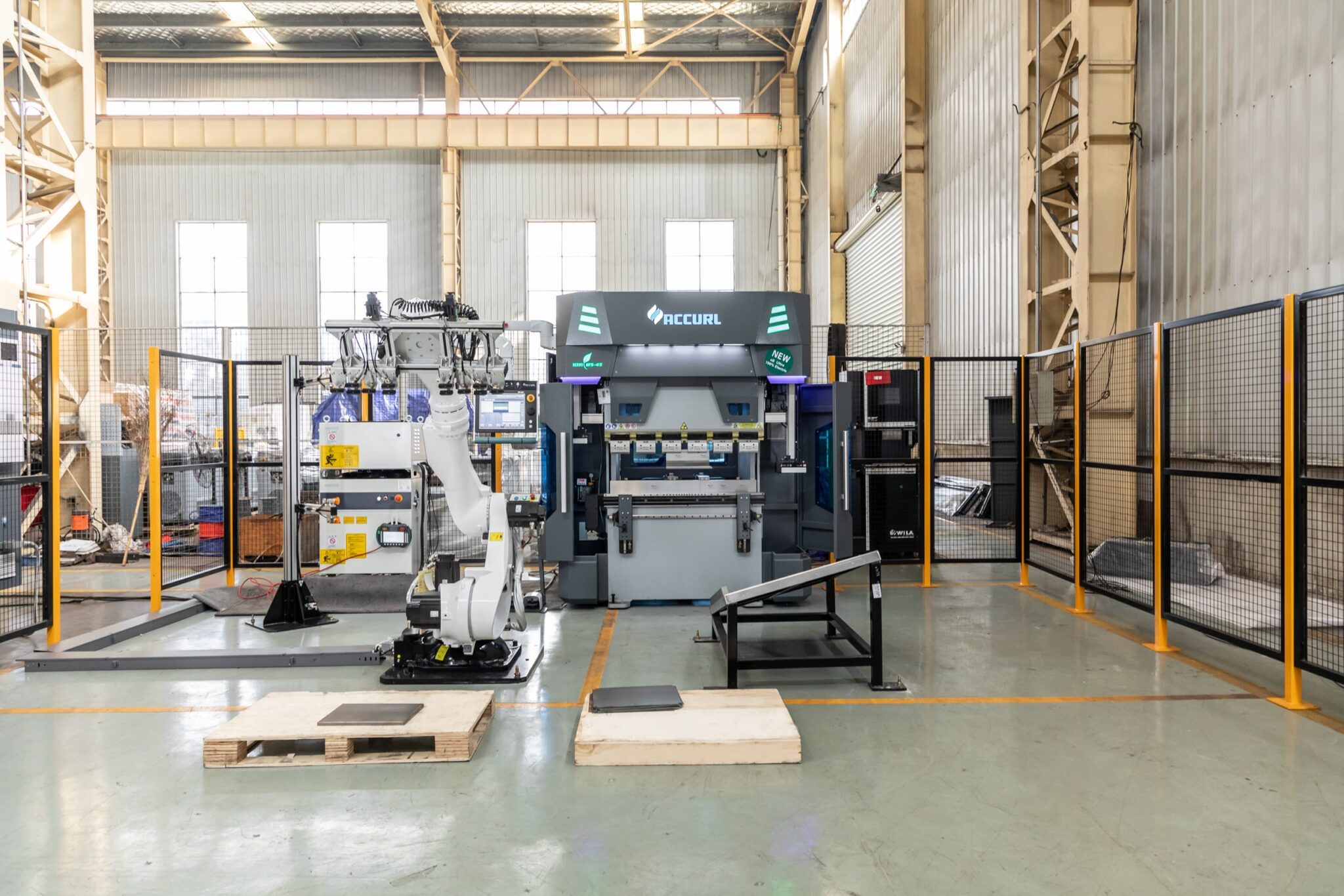
Errors in press brake tonnage calculations can lead to poor bending results, equipment damage, and safety risks. Recognizing common mistakes is essential to avoid these outcomes and ensure precise operations.
- Not Accounting for Material Tensile Strength: Ignoring the tensile strength of the material leads to incorrect force estimations. For instance, mild steel and stainless steel require different tonnage due to varying tensile properties.
- Ignoring Tooling Load Limits: Overloading tooling beyond its rated capacity can cause breakage or deformation. Tooling must match the calculated tonnage for the specific material and bending process.
- Neglecting Method Factors: Each bending method—air bending, bottom bending, and coining—requires different force levels. Forgetting to apply method-specific factors results in inaccurate tonnage calculations.
- Using Incorrect Die Widths: Selecting a die opening width that doesn’t match the material thickness or bend angle results in improper force distribution. For example, a narrow die opening increases the required tonnage significantly.
What are the Risks of Incorrect Press Brake Tonnage Settings?
Using incorrect tonnage settings in press brake operations poses severe risks, including equipment damage, operator safety concerns, and poor product quality.
Risks of Overloading Tonnage
Overloading the press brake can result in structural damage to the machine, particularly in the bed and side frames. The excessive force may exceed the press brake’s designed capacity, leading to permanent deflection. This reduces the accuracy of future bends and shortens the machine’s lifespan.
Tooling breakage is another significant risk. Dies and punches have specific load ratings based on their material and design. Exceeding these ratings can cause cracks, chips, or total failure, disrupting operations and increasing replacement costs.
Risks of Underestimating Tonnage
Underestimating tonnage can cause several issues in the bending process. One of the most immediate effects is inaccurate bends, where the metal fails to reach the desired bend angle. This happens because insufficient force cannot overcome the material tensile strength, leading to incomplete deformation.
Another common issue is material damage. When the applied force is too low, the bending process may result in cracks along the bend radius, especially in materials like stainless steel, which have high tensile and yield strength. These defects compromise the structural integrity of the workpiece.
Additionally, rework costs rise when parts are incorrectly bent. Operators often need to recalculate press brake tonnage, adjust settings, and process the material again. This wastes both time and resources, reducing efficiency and increasing production costs.
How to Optimize Press Brake Tonnage for Efficiency and Safety?
Optimizing press brake tonnage is essential for efficient operation and safety during metal fabrication. A combination of regular maintenance, accurate calculations, and adherence to machine limits ensures precise results and extends the lifespan of the equipment.
- Inspect Tooling Regularly: Check v dies and punches for wear to avoid misaligned bends and damage to materials.
- Calibrate the Machine Periodically: Ensure the press brake machine is calibrated to maintain accuracy in tonnage application.
- Check Hydraulic Systems: Monitor hydraulic oil levels and quality to prevent pressure drops that could impact tonnage performance.
- Verify Die Opening Widths: Use the correct die width based on material thickness to avoid exceeding tonnage limits.
- Inspect Side Frames and Bed Length: Check for any deflection or misalignment in the side frames and bed, which can lead to uneven force distribution.
- Conduct Safety Checks Before Use: Test emergency stop functions and confirm that overload protection systems are operational.
What are Calibration Techniques for Accurate Tonnage?
Calibration is critical to achieving precise tonnage application in press brakes. Accurate calibration ensures that tonnage calculations align with the material thickness, bending length, and die specifications.
When to Calibrate:
- After every major maintenance.
- Periodically, based on machine usage intensity.
- When tonnage discrepancies or bending inaccuracies are observed.
Calibration Process:
- Zero the Machine: Reset the press brake machine to a neutral position to eliminate any previous offset.
- Measure Force Application: Use load cells or tonnage monitors to confirm that the applied force matches the calculated press brake tonnage requirements.
- Adjust for Variations: If discrepancies are found, recalibrate the control settings to ensure consistent tonnage application.
- Validate with Test Runs: Conduct trial bends using mild steel or aluminum to verify that the machine delivers accurate bending capacity for the intended material type and thickness.
How is Springback Related to Press Brake Tonnage and Bending?
Springback is a natural phenomenon in metal bending where the material tries to return to its original shape after the pressure is removed. This occurs due to the elastic properties of the material and can significantly affect the bend angle and tonnage requirements.
Impact of Springback:
- Bend Radius Alteration: Springback increases the bend radius, requiring adjustments in press brake tonnage to achieve the desired bend angle.
- Material Differences: Materials with higher tensile strength, such as stainless steel, exhibit greater springback compared to softer metals like aluminum or mild steel.
Accounting for Springback in Tonnage Calculations:
- Material Properties: Analyze the material tensile strength and yield strength. Higher values necessitate increased tonnage to counter springback.
- Over-Bending Technique: Apply additional force during the bending process to achieve the intended angle after springback.
- Use of Specialized Tooling: Opt for precision dies and punches, which minimize material deformation and improve results.
Environmental Considerations in Tonnage Selection
Environmental responsibility is becoming a vital factor in manufacturing processes, including press brake operations. Sustainable practices and energy efficiency contribute to reducing the environmental footprint while maintaining productivity.
- Energy-Efficient Machines: Opt for hydraulic or electric press brakes designed for lower energy consumption. These machines apply precise brake tonnage with minimal energy waste, reducing operational costs.
- Material Optimization: Minimize material waste by accurately calculating the bending length and die opening width. Efficient material usage reduces scrap, contributing to eco-friendly operations.
- Regular Maintenance: Keeping the press brake machine in peak condition reduces energy waste caused by inefficiencies such as hydraulic leaks or misaligned tooling.
How Do Specific Applications Impact Tonnage Decisions?
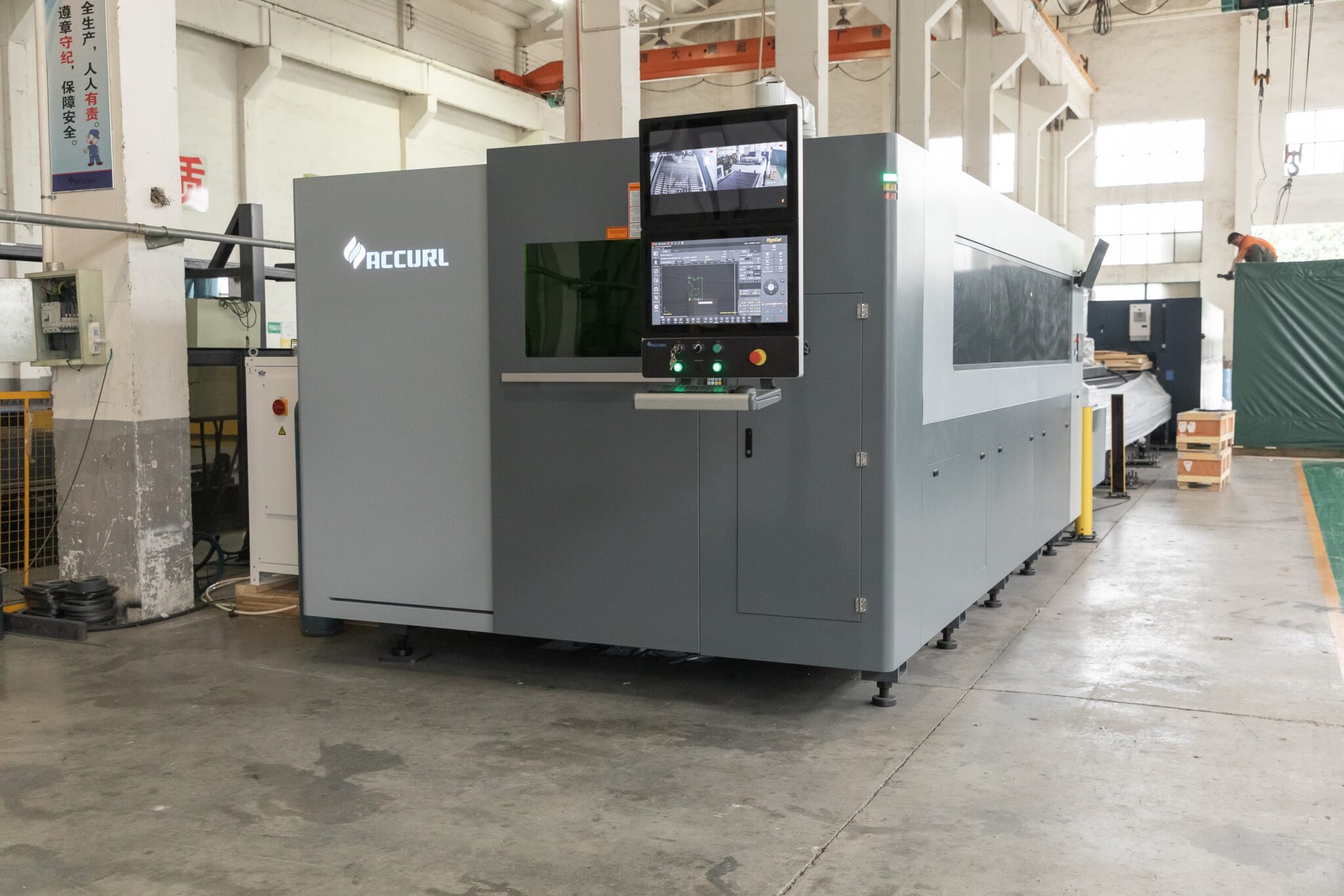
The type of application dictates the tonnage requirements, affecting everything from material selection to tooling.
- Material Types: Thicker materials like steel require higher tonnage compared to softer options like aluminum. For instance, stainless steel needs more force due to its higher tensile strength.
- Bend Radius: Applications requiring tight bend radii need greater tonnage to overcome material resistance. Air bending may require less force compared to coining or bottom bending.
- Die Selection: Tooling plays a significant role in tonnage decisions. Wider v-opening dies need less tonnage for the same material thickness, while narrower ones require more.
How Does Production Volume Influence Tonnage?
High-volume operations demand consistent performance, while smaller-scale production allows for greater flexibility.
- High-Volume Production: Large-scale manufacturing benefits from machines with higher press brake tonnage and automated controls. This reduces downtime and ensures consistent results across numerous bends.
- Small-Batch Production: Lower production volumes may not require maximum bending capacity. Flexible tooling and adjustable tonnage settings are suitable for varied tasks.
- Customization Needs: Custom applications often involve multiple materials and thicknesses. Machines with adjustable force and precise tonnage calculations are ideal for handling diverse requirements.
Also, for mass production, electric or CNC-controlled press brakes offer reliability and efficiency. In contrast, manual or semi-automatic machines work well for smaller batches.
How Do You Choose the Right Press Brake for Your Tonnage Needs?
Selecting the right press brake for your tonnage needs is essential for efficient and precise metal fabrication. The decision involves evaluating several machine features, ensuring they align with the requirements of your bending process.
- Tonnage Capacity: Choose a press brake that can handle the maximum tonnage your materials require, factoring in material type, thickness, and bending length. For example, stainless steel demands higher tonnage than mild steel due to its tensile strength.
- Bed Length: The length of the machine bed should accommodate the bending length of your metal sheets. This ensures even pressure distribution and prevents deflection.
- Tooling Compatibility: Verify that the press brake supports various die widths and tooling options, such as V-dies or coining tools, to meet your bending radius requirements.
- Axis Control: Machines with multi-axis control (e.g., 2-axis to 11-axis configurations) provide greater precision and flexibility for complex bends.
- Energy Efficiency: Consider hybrid or electric servo press brakes for energy-efficient operation, especially for high-volume production.
About ACCURL Press Brakes:
ACCURL offers a wide range of press brakes designed for power and precision. Their machines range from 35 tons to 6000 tons in tandem configurations, with bed lengths from 0.8m to 24m. Equipped with advanced hybrid servo and electric servo technology, ACCURL press brakes deliver energy efficiency and consistent results. These machines manage a variety of materials, including soft brass and high-strength chrome molybdenum, making them versatile for diverse applications. With robust construction and reliable performance, ACCURL is a leader in press brake manufacturing.
Glossary of Tonnage Calculation Terms
Understanding key terms in tonnage calculation helps ensure precision in press brake operations.
- Tonnage: The force required to bend a material, measured in tons.
- Bend Radius: The inside radius of the bend created during the bending process.
- Material Thickness: The thickness of the metal sheet being bent, measured in millimeters or inches.
- V-Opening (V-Die): The opening width of the die used during bending, influencing tonnage requirements.
- Tensile Strength: The maximum stress a material can withstand before breaking, measured in PSI or N/mm².
- Yield Strength: The stress at which a material begins to deform plastically.
- Bending Length: The total length of the sheet metal bend, impacting the force required.
- Die Ratio: The relationship between material thickness and die opening width, affecting tonnage calculations.
Conclusion
Choosing the right press brake and mastering tonnage calculations aren’t just technical steps—they’re the foundation of successful metal fabrication. Every decision, from the machine’s tonnage capacity to accounting for material properties like tensile strength and thickness, directly affects the quality of your results. At the heart of it, you’re not just bending metal; you’re shaping efficiency, safety, and precision into every project.
We understand the challenges you face, whether it’s finding a press brake that meets your unique production scale or tackling the demands of complex bending processes. That’s why taking the time to apply precise calculations is so important. It’s not just about avoiding mistakes—it’s about creating an operation where every bend aligns with your expectations, and every step adds value to your work.
Whether your focus is on versatility for small runs or the strength to handle heavy-duty, high-volume tasks, you need a press brake that works as hard as you do. That’s where ACCURL press brakes shine. With their advanced technology, robust design, and adaptability to materials from soft brass to high-tensile steel, they give you the tools to meet your goals confidently. Together, we can turn your metal fabrication challenges into opportunities to achieve results you’re proud of.


